

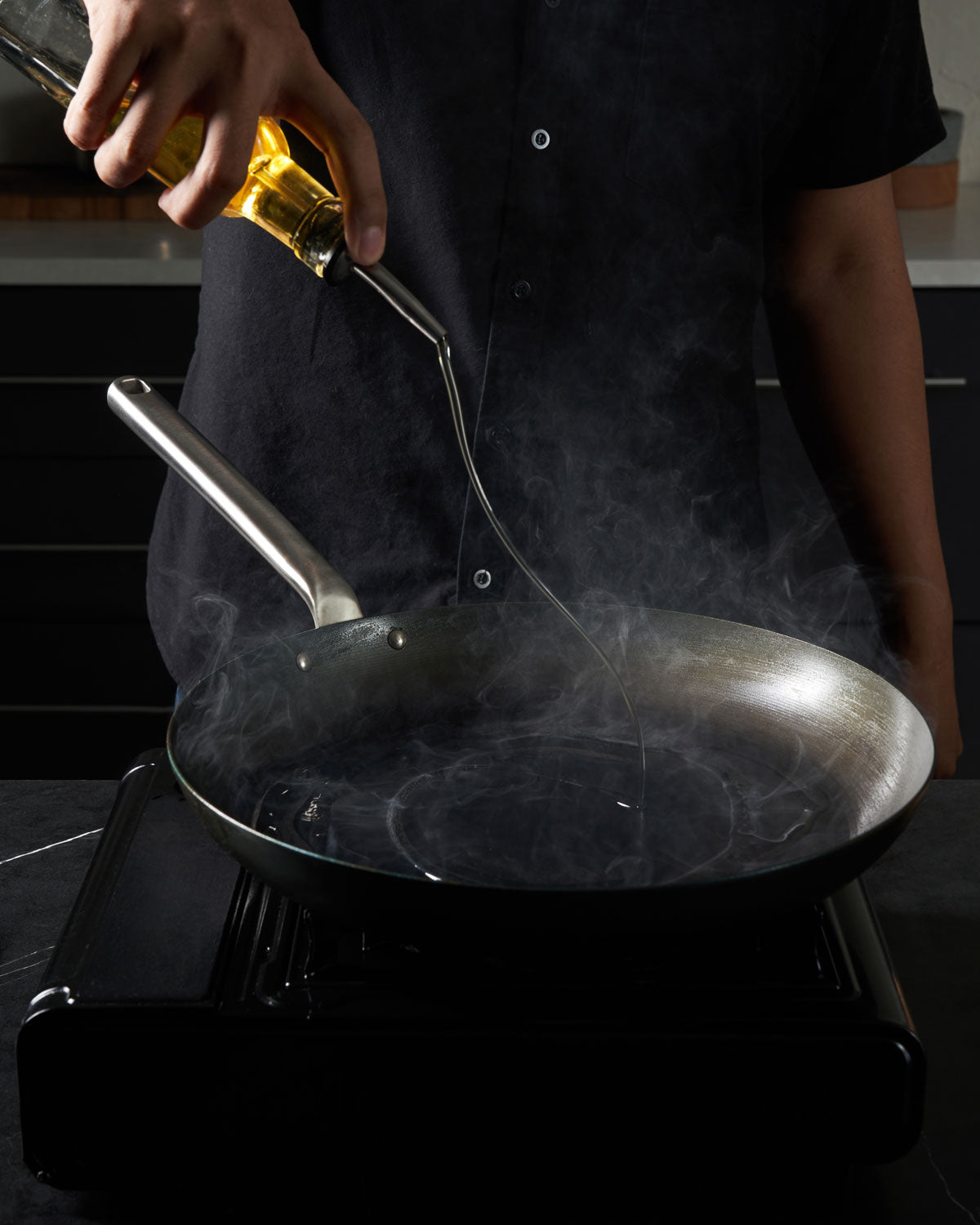
Carbon Steel vs. Ceramic Cookware: Which Should You Choose?
But what about ceramic cookware? We get asked this all the time and it’s a fair question. Touted for its non-stick properties and often marketed in appealing colours, ceramic cookware is becoming increasingly popular. How does it stack up against a more traditional material like carbon steel? We’re glad you asked.
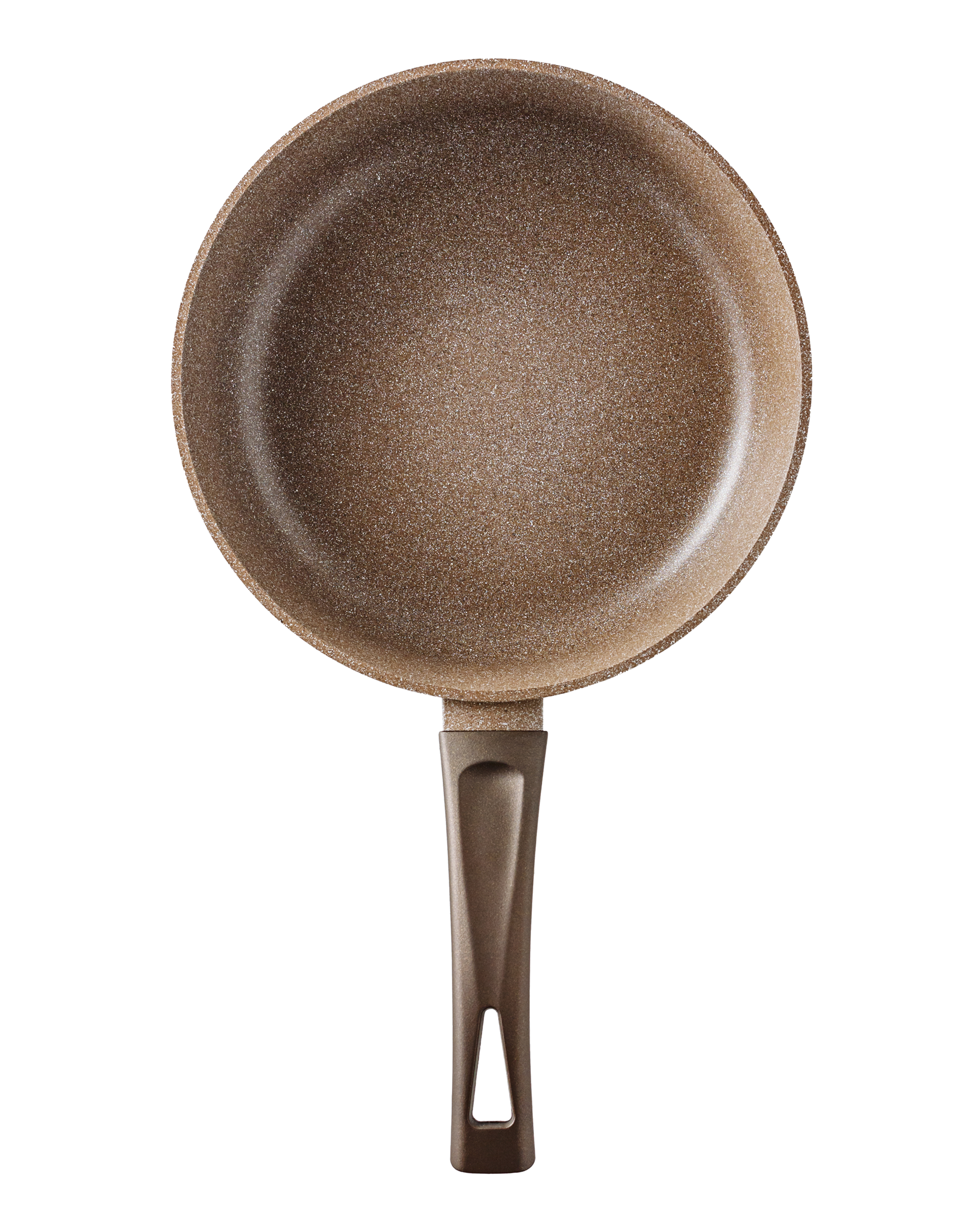
What is ceramic cookware?
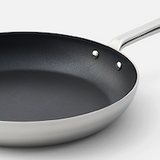
- Non-stick cookware coated with a layer of silica, which is a natural mineral. It’s this particular coating that differentiates it from traditional non-stick cookware, which uses man-made coatings.
- Ceramic cookware comes in a range of different colours and patterned designs, giving it aesthetic appeal.
- Ceramic non-stick can heat to higher temperatures than traditional non-stick coatings, but are still not suited to high-heat cookery. Ceramic cookware is also not known for excellent heat retention or even heating, a drawback for precise cooking scenarios.
- Ceramic cookware is not induction-compatible.
- Because of the coated surface, ceramic cookware doesn’t require any seasoning to maintain, and needs very little oil for cooking.
- Ceramic non-stick should only be used with non-metal utensils to avoid damage. It’s highly prone to chipping, cracking and general wear over time, making it not the most durable.
- Because food doesn’t stick, ceramic non-stick is easy to clean, requiring no more than a gentle wash and dry. It shouldn’t go in a dishwasher.
- Ceramic cookware is completely non-reactive.
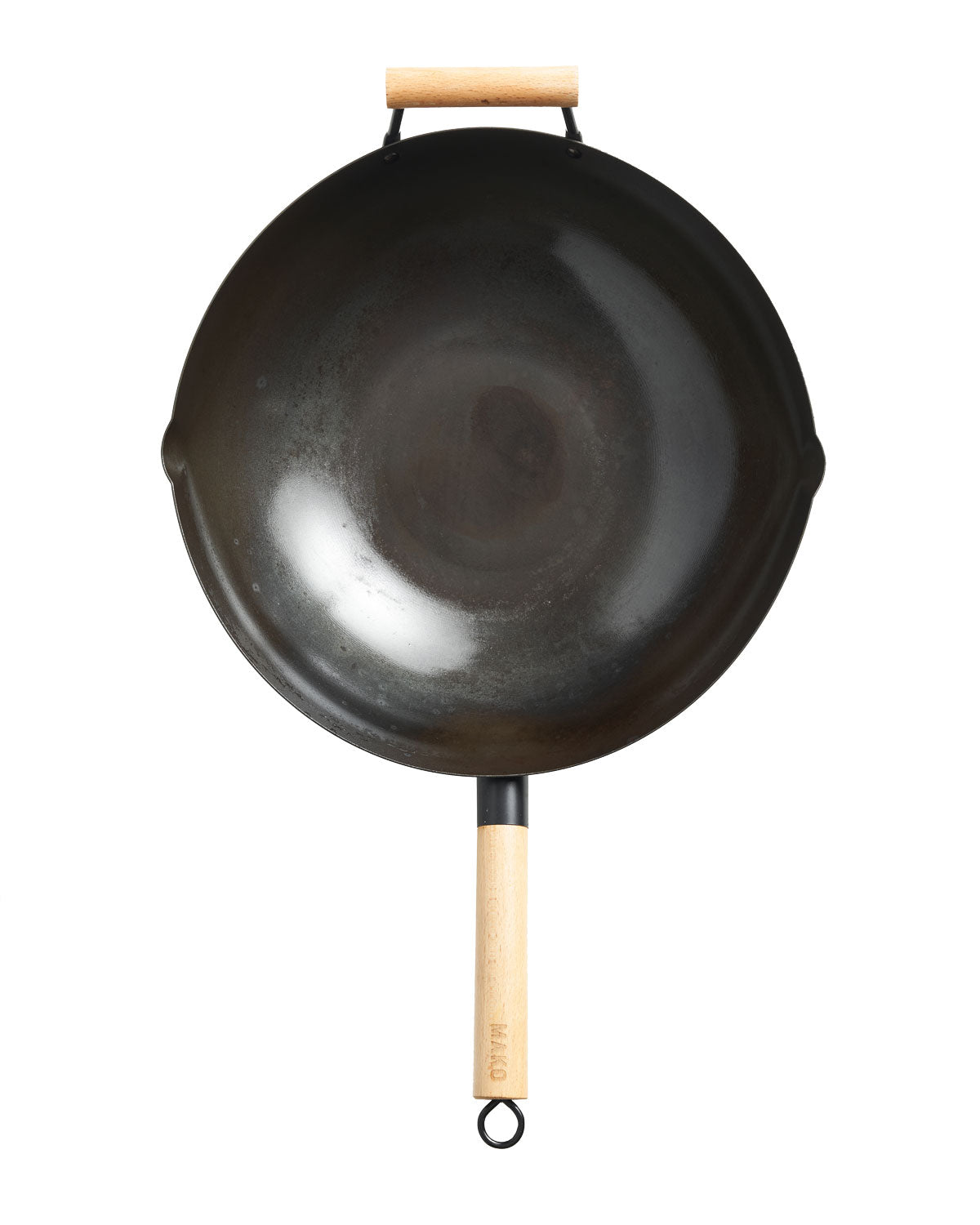
What is carbon steel cookware?
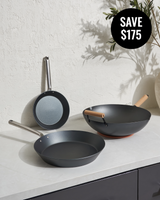
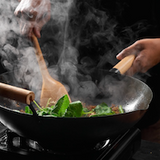
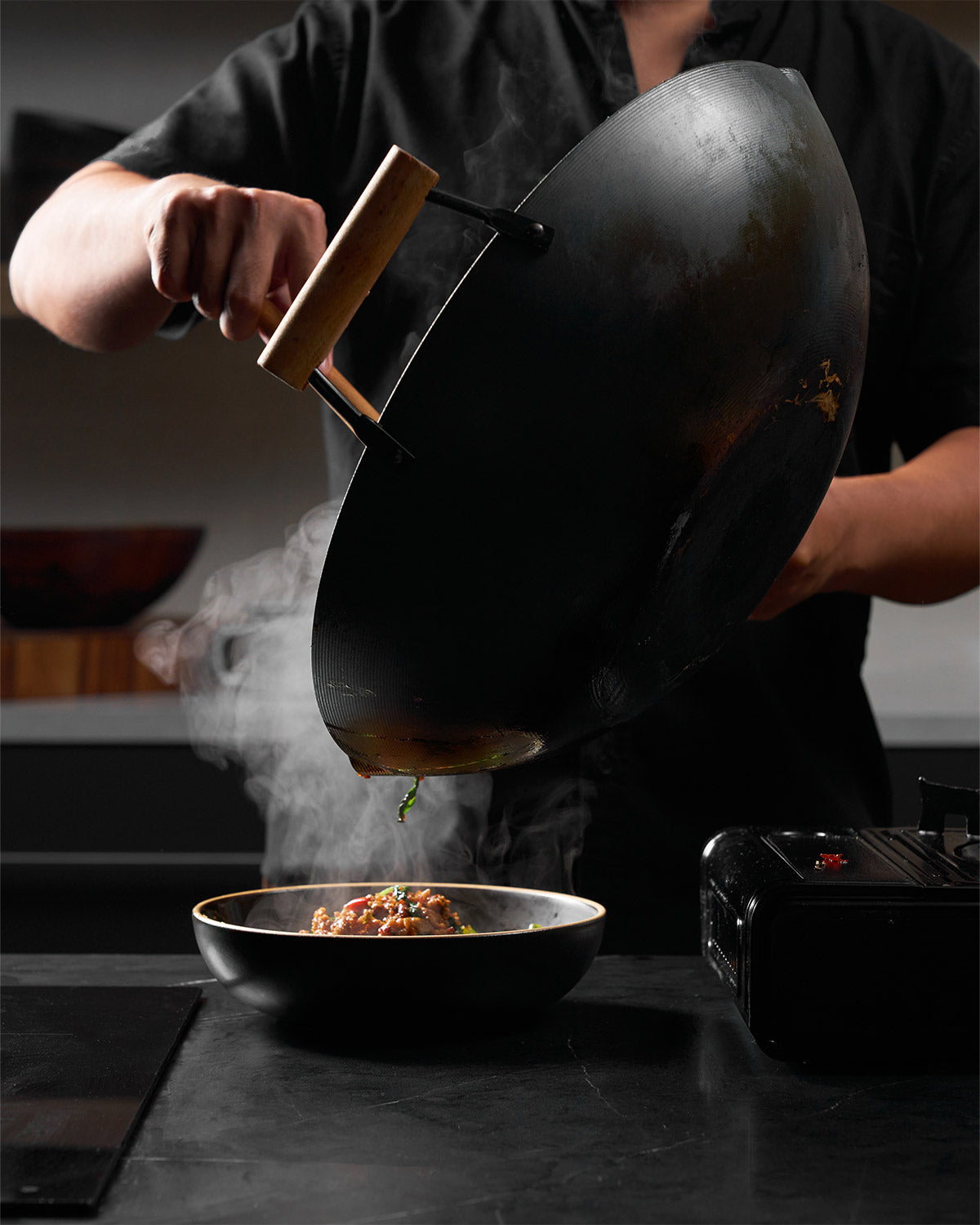
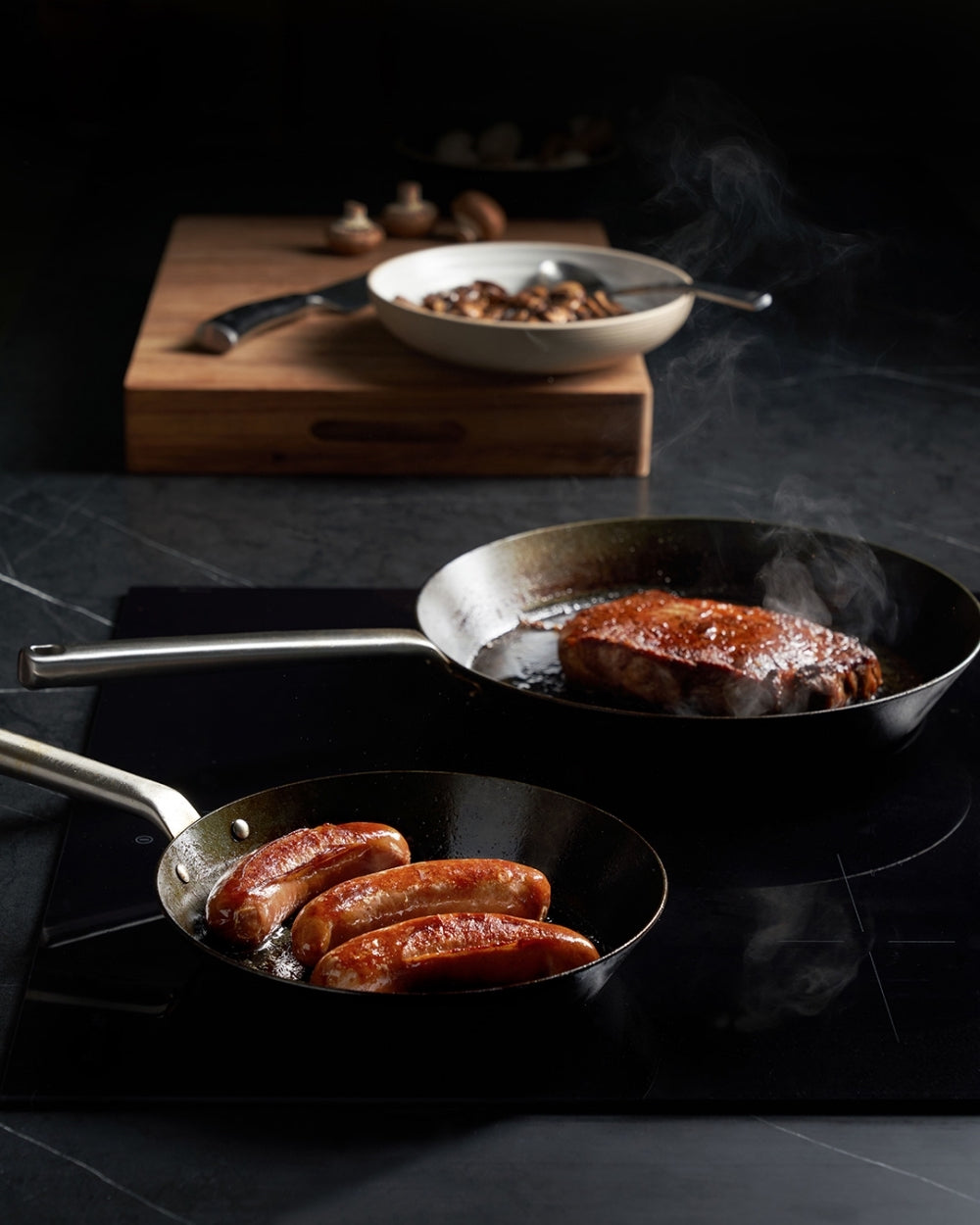
- Carbon steel is a particularly rugged cookware material that’s favoured by professional chefs.
- Carbon steel will last a lifetime with proper care.
- Not only highly durable, carbon steel is known for its extreme high-heat tolerance, its brilliant heat conductivity and even cooking.
- Highly versatile, carbon steel can be used on all kinds of stovetops, including induction. It’s oven-safe too, meaning it can go from the stovetop to the oven, or under the grill, with ease.
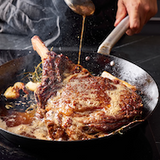
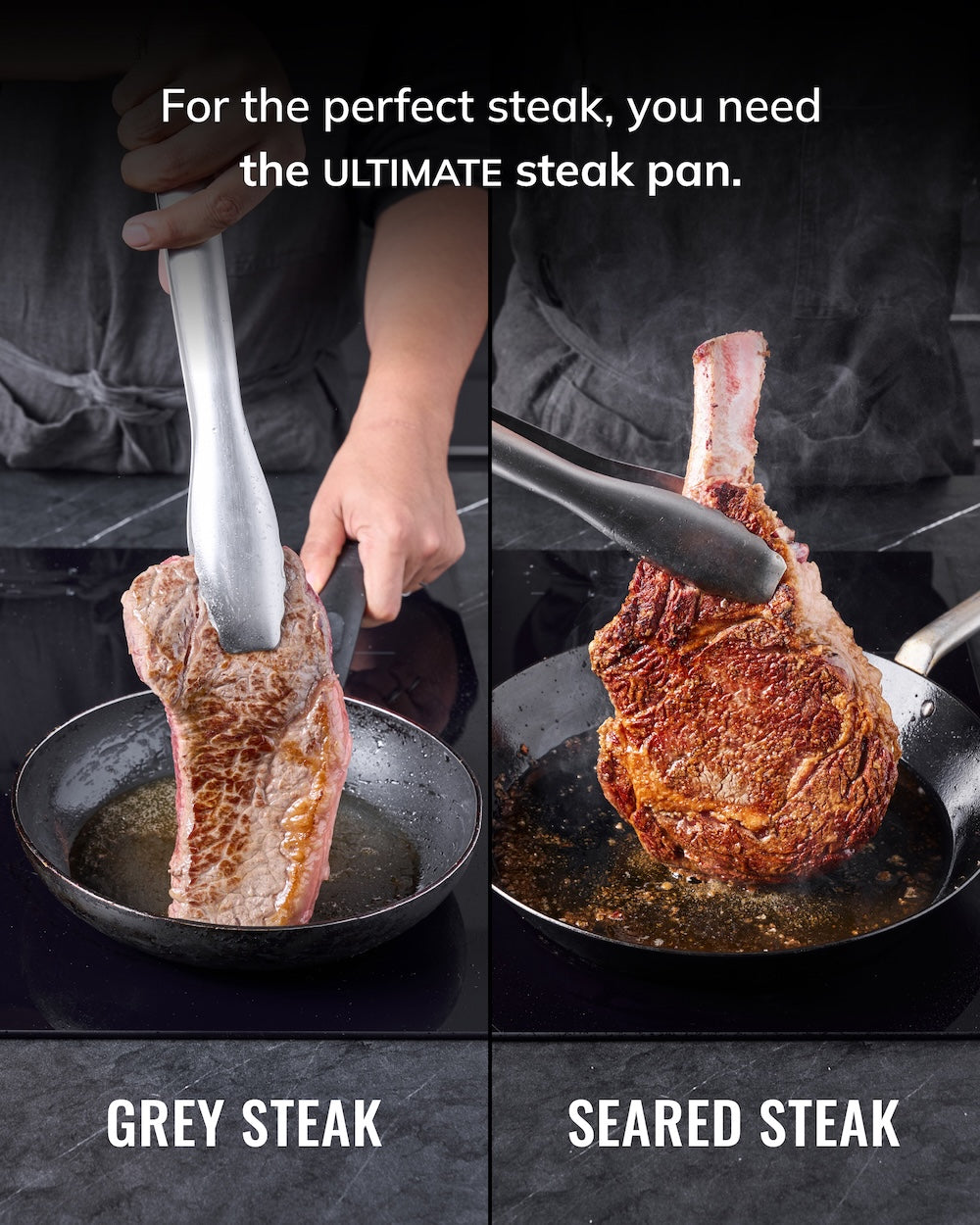
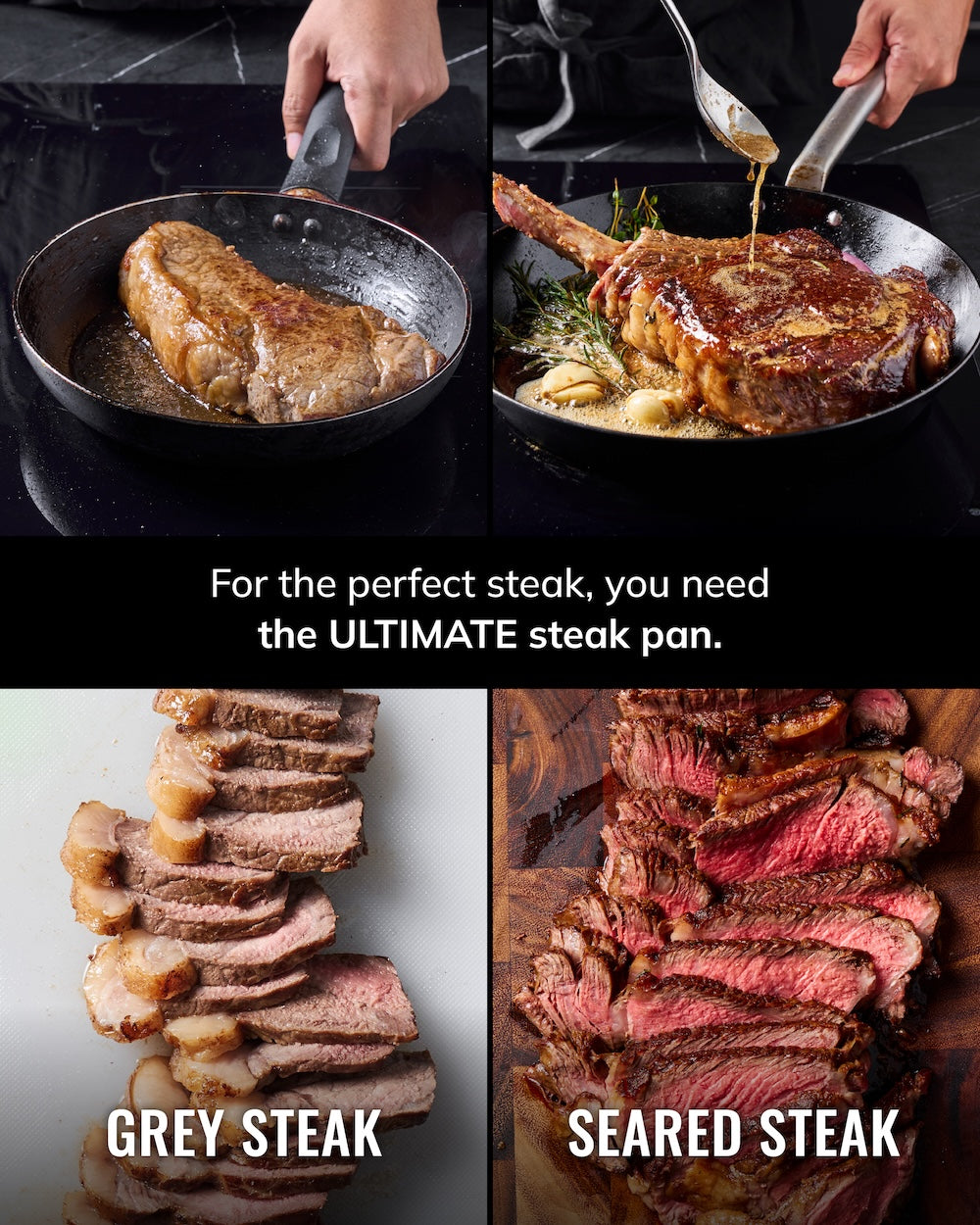
- Carbon steel pans are excellent for a range of cooking methods, including sautéing, frying, searing, baking and grilling.
- With care and regular use, carbon steel builds up a patina that acts as a natural, non-stick coating. This not only improves the cooking surface but adds flavour too.
- Carbon steel is reactive to acidic ingredients such as wine, tomatoes and vinegar. These shouldn’t be cooked in this style of pan for long periods or the colour and flavour of a dish can be affected.
- Carbon steel cookware requires careful washing so as to not damage the patina, plus regular seasoning to maintain the patina.
CERAMIC V CARBON STEEL
Conclusion
While both carbon steel and ceramic non-stick cookware have their unique strengths, carbon steel offers unmatched durability, versatility and performance for serious cooks. For lighter-weight cooking where a non-stick surface is of prime importance, ceramic non-stick is a good option. But it needs to be treated with utmost care to prevent damage. By understanding pros and cons, you’ll select the cookware that best suits your culinary needs and lifestyle. Whether you’re a seasoned chef or a home cook, investing in quality cookware elevates your cooking experience.
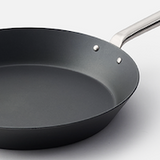
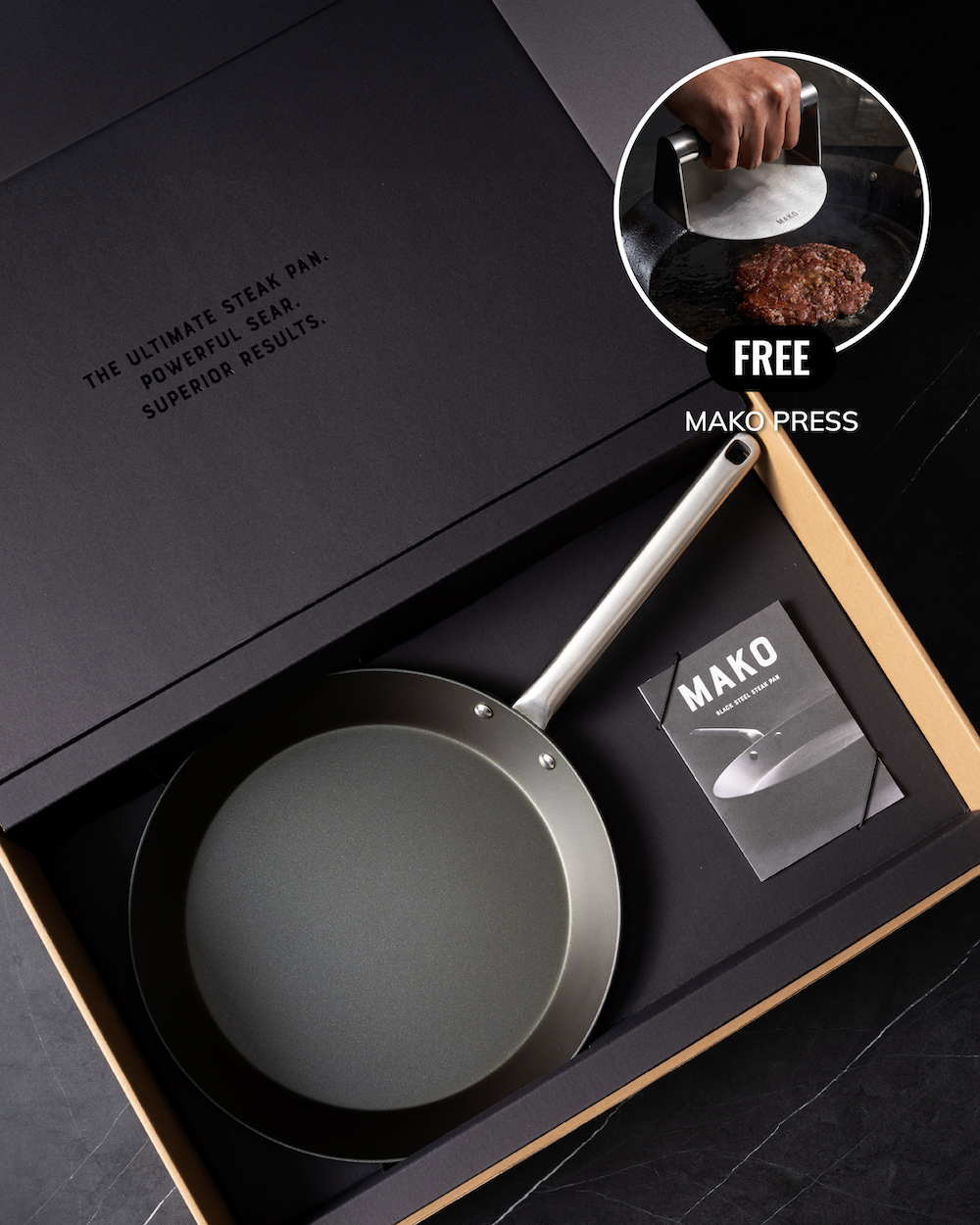
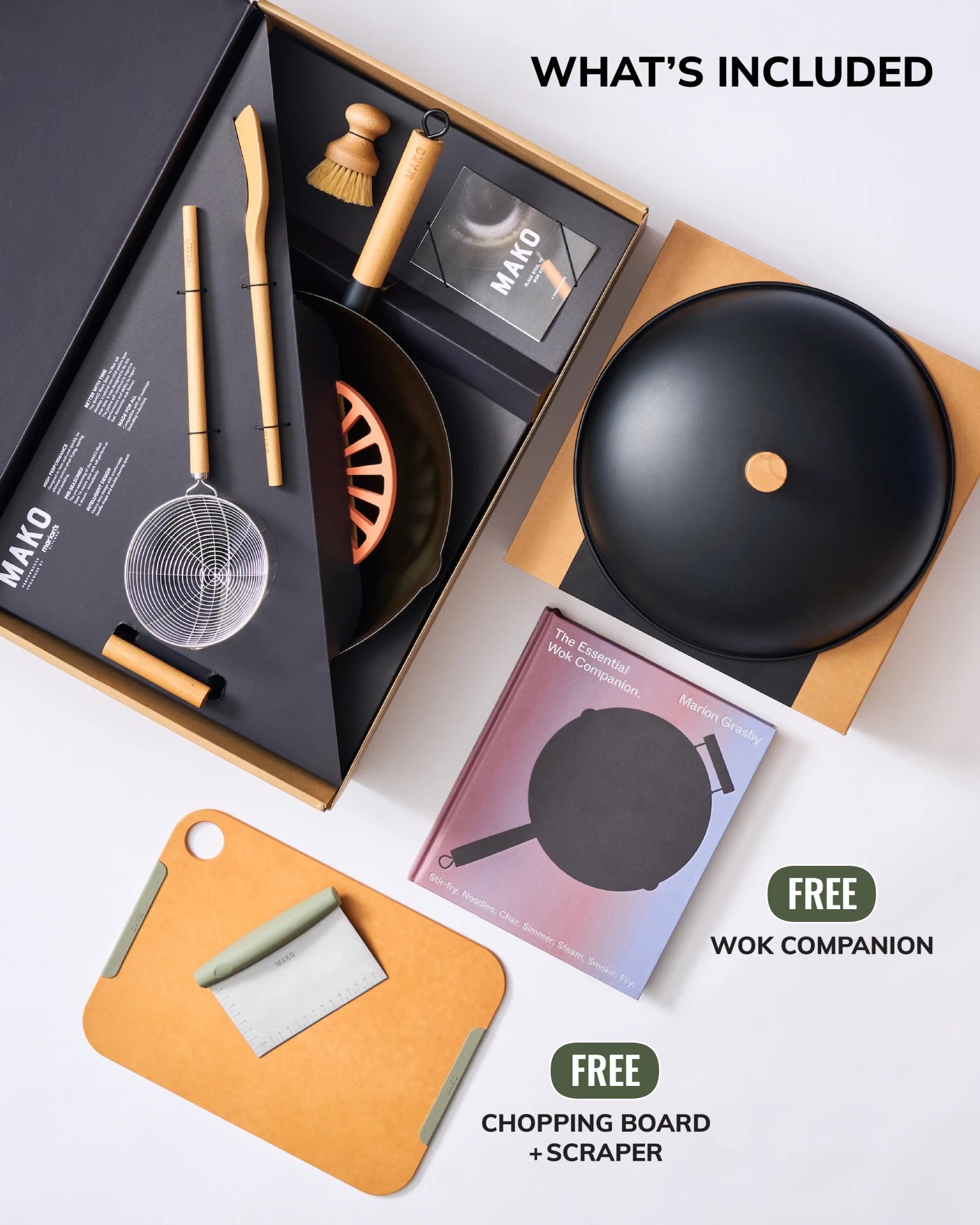
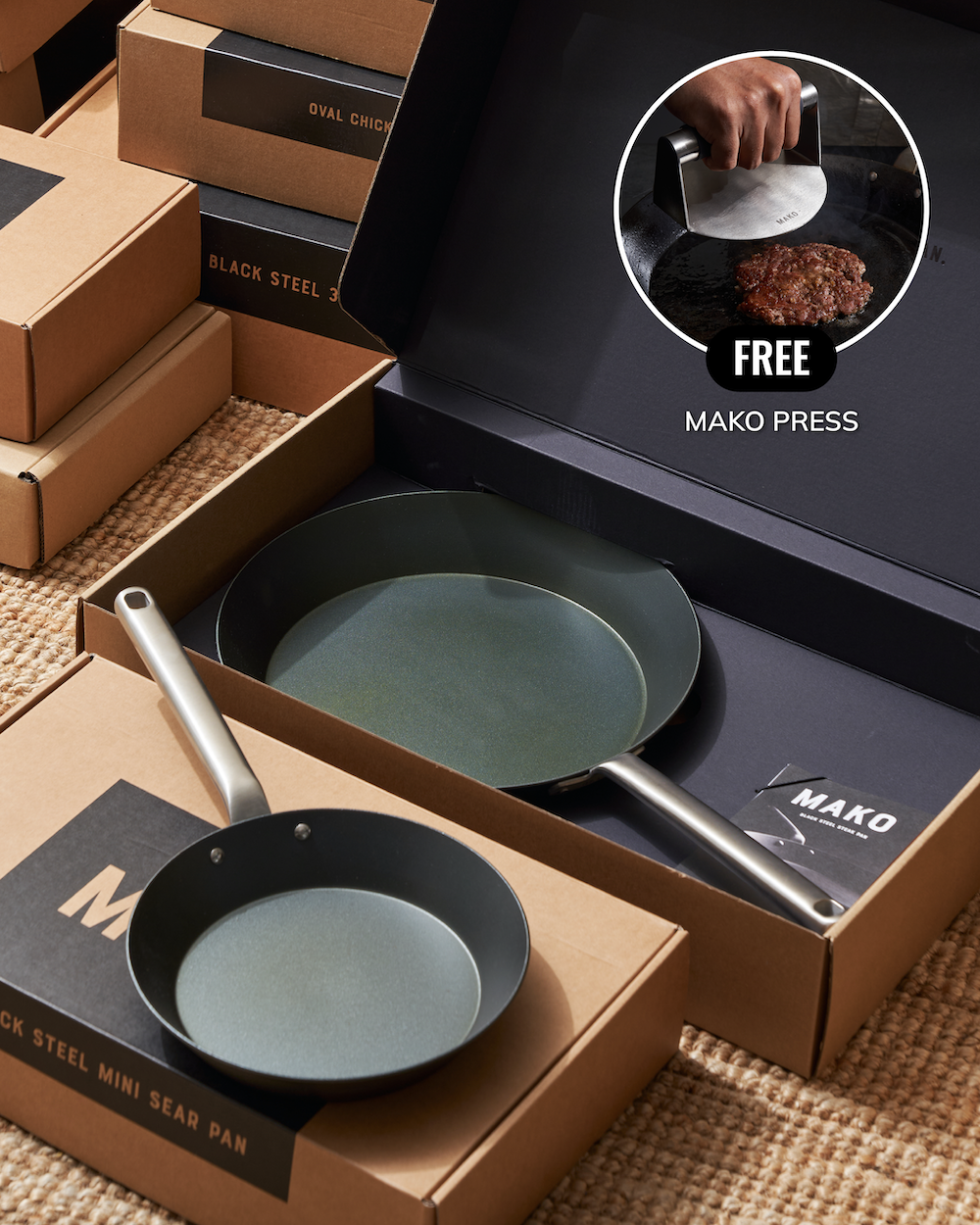
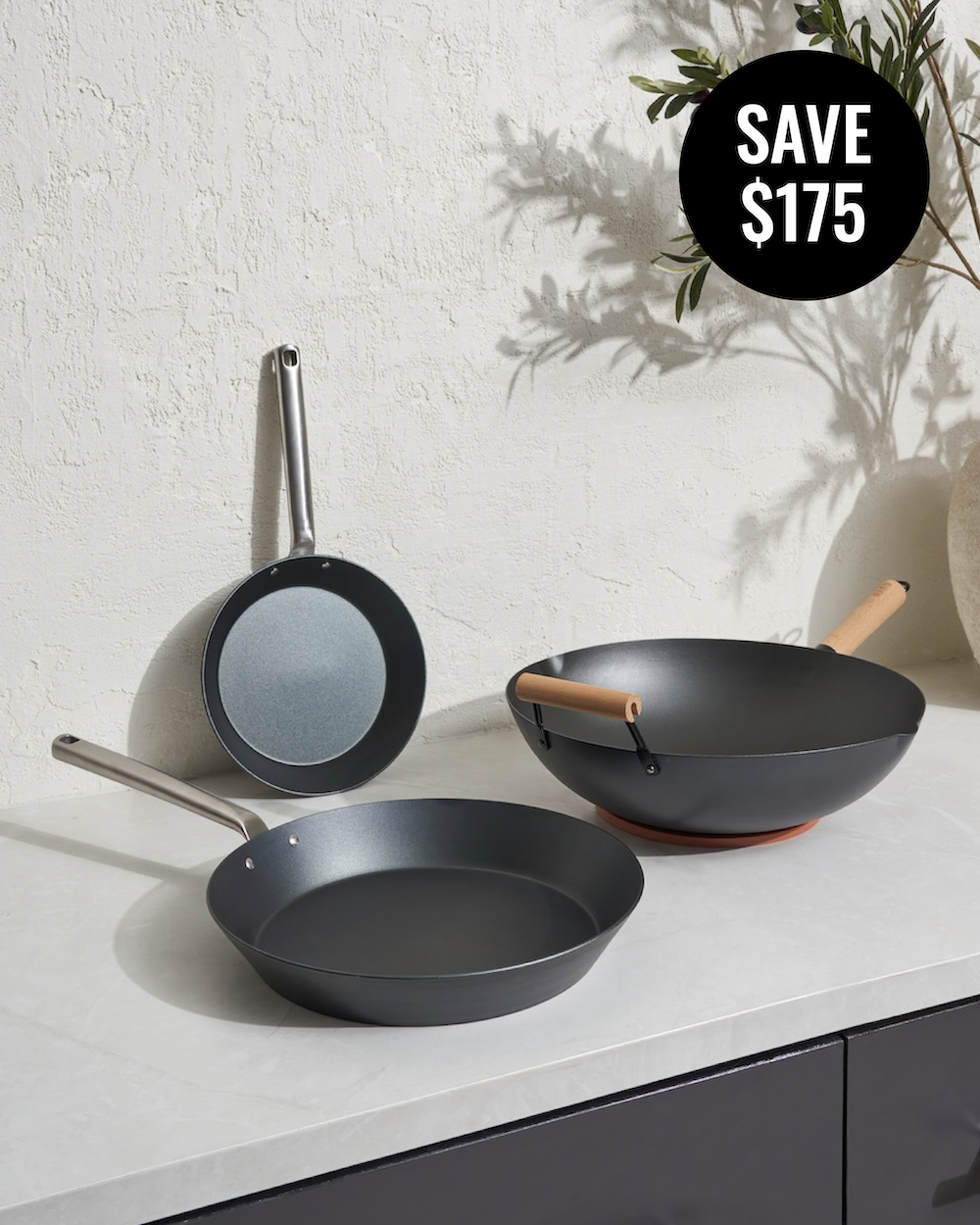
Pre-seasoned carbon steel
MAKO Black Steel


MORE READING
How You Cut Your Beef Changes Everything

One-Pan Blueberry Cobbler