
Cast Iron vs Carbon Steel: Which should you choose?
Cast iron cookware or carbon steel? It’s a hot topic. Both materials are iron alloys that make durable, heavy-duty cookware and each has its fans. Understanding the differences, plus the cooking jobs they’re best at, helps you decide which you might prefer. Note that carbon steel versus cast iron is not necessarily an ‘either-or’ discussion; it’s likely you’ll want both in your arsenal. Let’s dive into the detail.
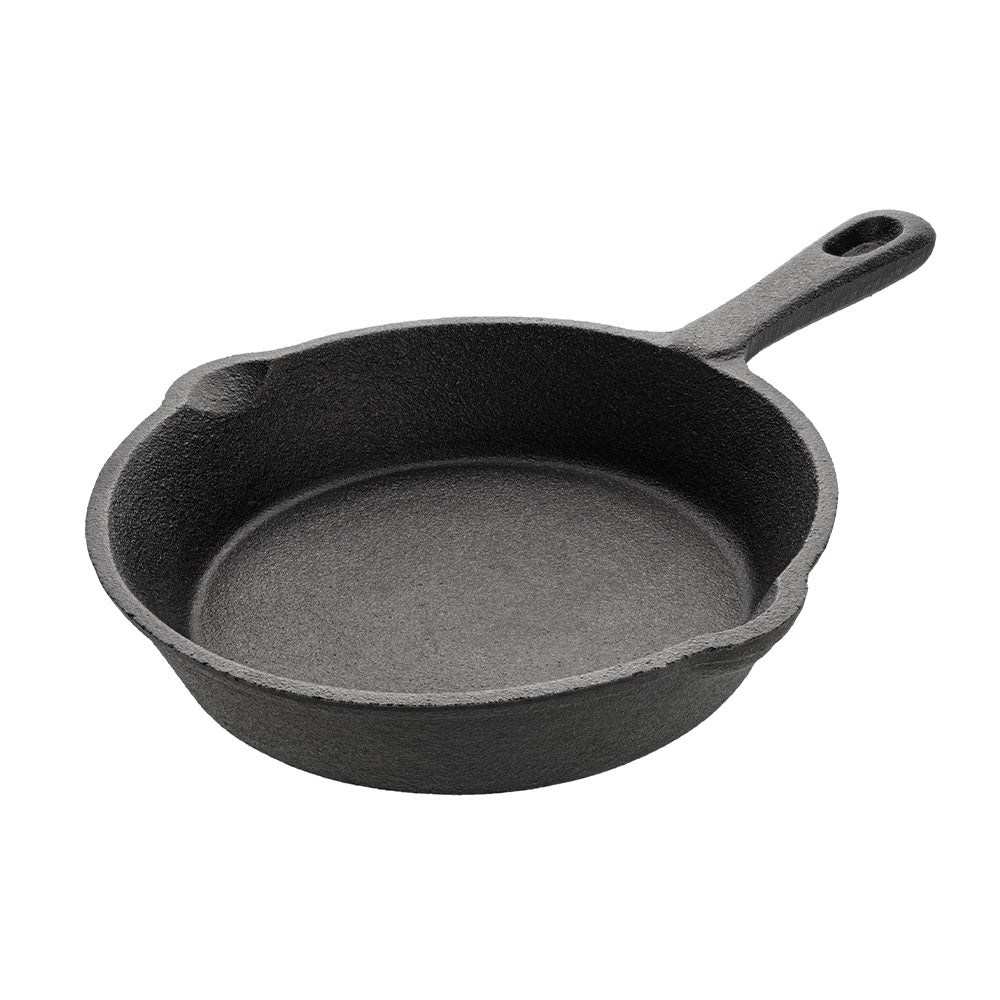
The low-down on cast iron
- Excellent heat retention: Perfect for dishes that require consistent heat over a long period.
- Slow to heat: It takes longer to heat compared to other materials, although once it’s hot, it stays hot.
- Not very heat-responsive: Once hot, it takes a while to cool down, making adjusting temperatures problematic while you’re cooking
- Versatile: Can go from cooktop to oven, so ideal for recipes that start with a sear and finish with a roast.
- Heavy: Cast iron is notoriously heavy, which can make it difficult to handle, especially when full of food.
- Durable: Incredibly durable and can last a lifetime if properly maintained. It can withstand high temperatures and is virtually indestructible.
- Natural non-stick alternative: With proper seasoning, cast iron develops a naturally non-stick surface over time.
- Easy to clean: Requires hand washing in warm water.
- Requires maintenance: Cast iron needs regular seasoning to maintain its non-stick surface.
- Cracking risk: If dropped or put under cold water while still hot, cast iron can crack.
- Reactive: Can react with acidic foods (tomatoes, vinegar), affecting flavour and potentially damaging the seasoned surface. It is also more prone to absorb water, leading to staining and warping.
Best for
- Pan-roasting and stove-to-oven cooking
- Frying
- Baking bread
- Cooking pancakes and griddle cakes
- Braising
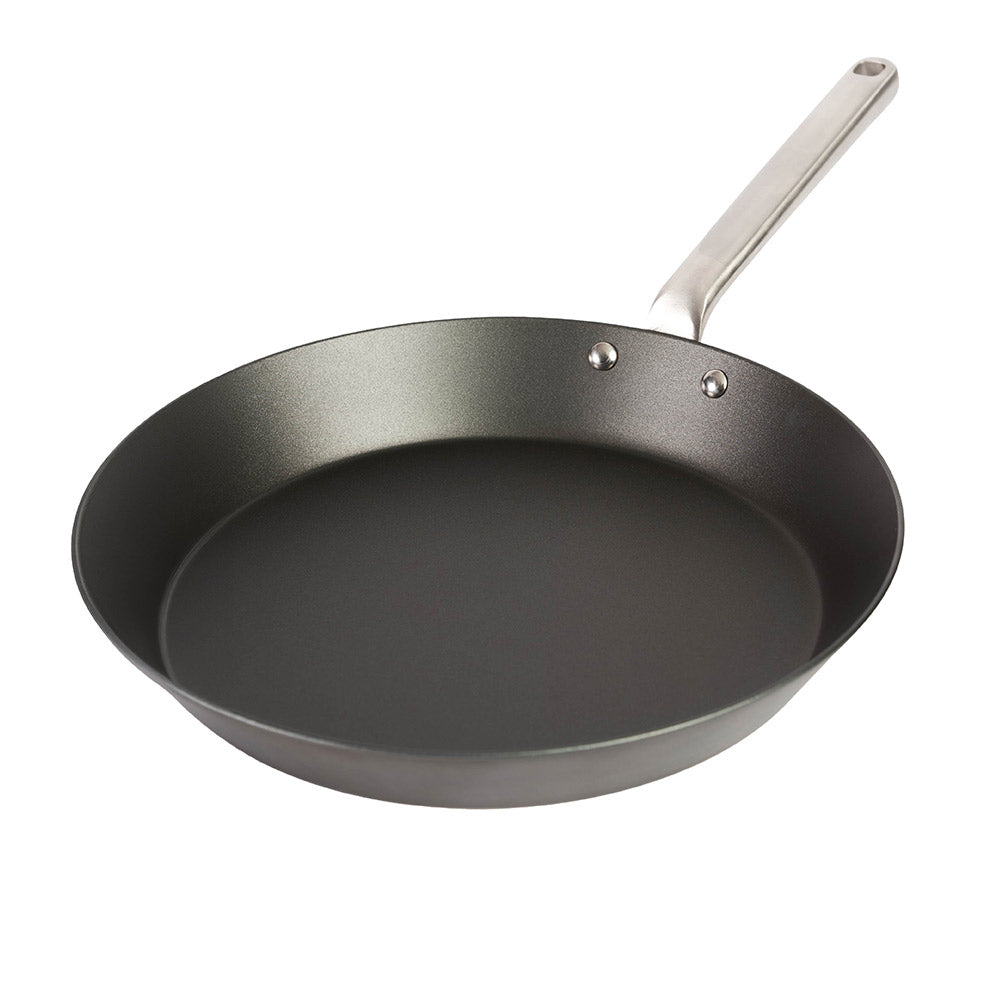
The low-down on carbon steel
- High heat tolerance: Can be used over barbecues and open flames.
- Quick heating: Heats up faster and more evenly than cast iron, providing better temperature control.
- Heat-responsive: Once removed from the heat, cools much faster than cast iron so there's less risk of overcooking.
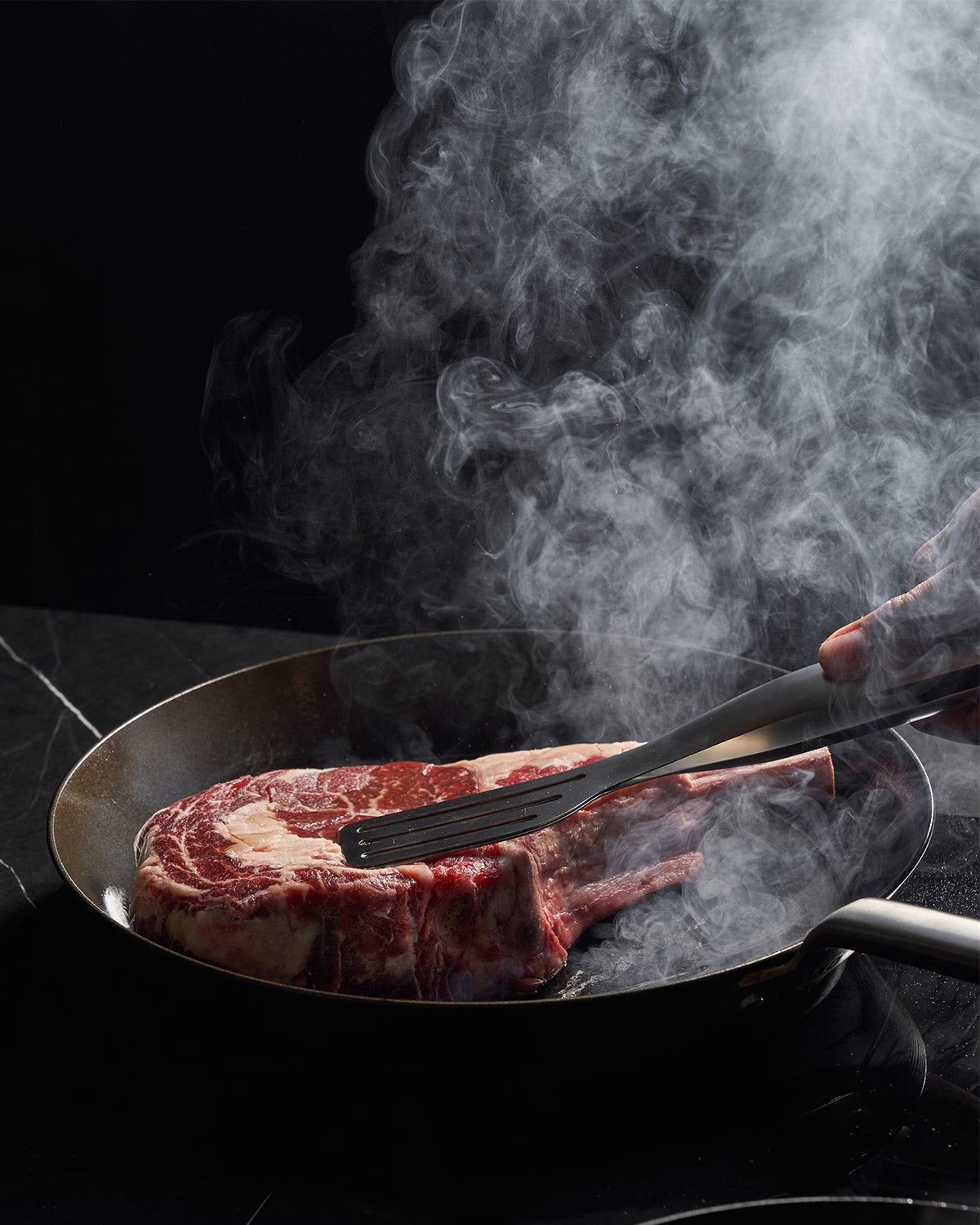
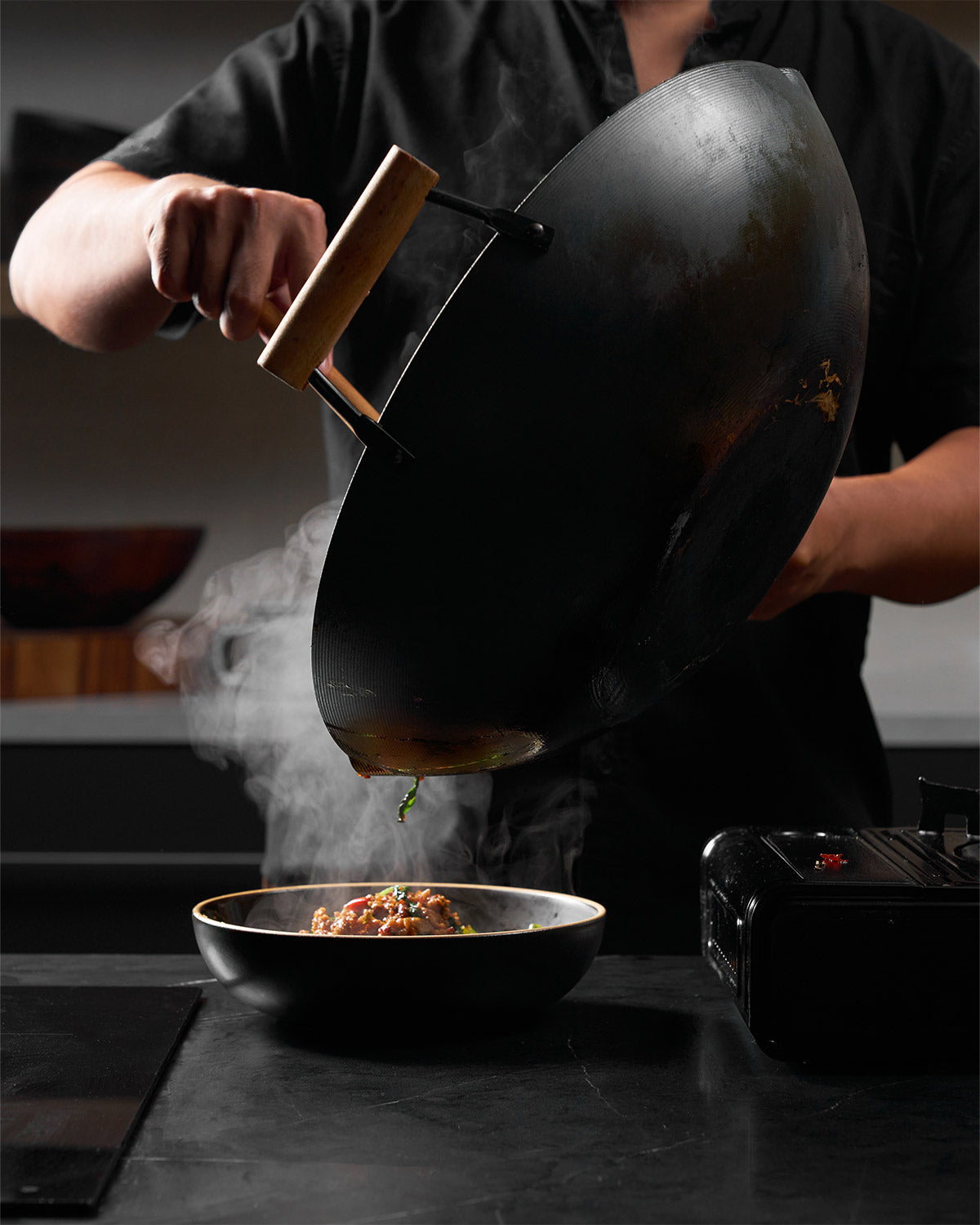
- Versatile: Great for high-heat cooking methods like searing, sautéing and stir-frying. Like cast iron, it can go from the cooktop to the oven.
- Lightweight: Significantly lighter than cast iron, making it easier to handle, especially when flipping and tossing.
- Durable: Incredibly durable and can last a lifetime if properly maintained.
- Natural non-stick alternative: Like cast iron, carbon steel develops a naturally non-stick patina, with proper seasoning and regular use.
- Easy to clean: Requires hand washing in warm water.
- Requires maintenance: Carbon steel needs regular seasoning to maintain its patina and prevent rust.
- Warping risk: If exposed to sudden temperature changes, thinner carbon steel can warp. This is less likely with quality carbon steel pans.
- Reactive: Similar to cast iron, carbon steel can react with acidic ingredients, potentially affecting flavour and causing discolouration.
Best for
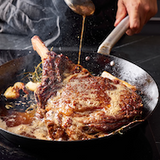
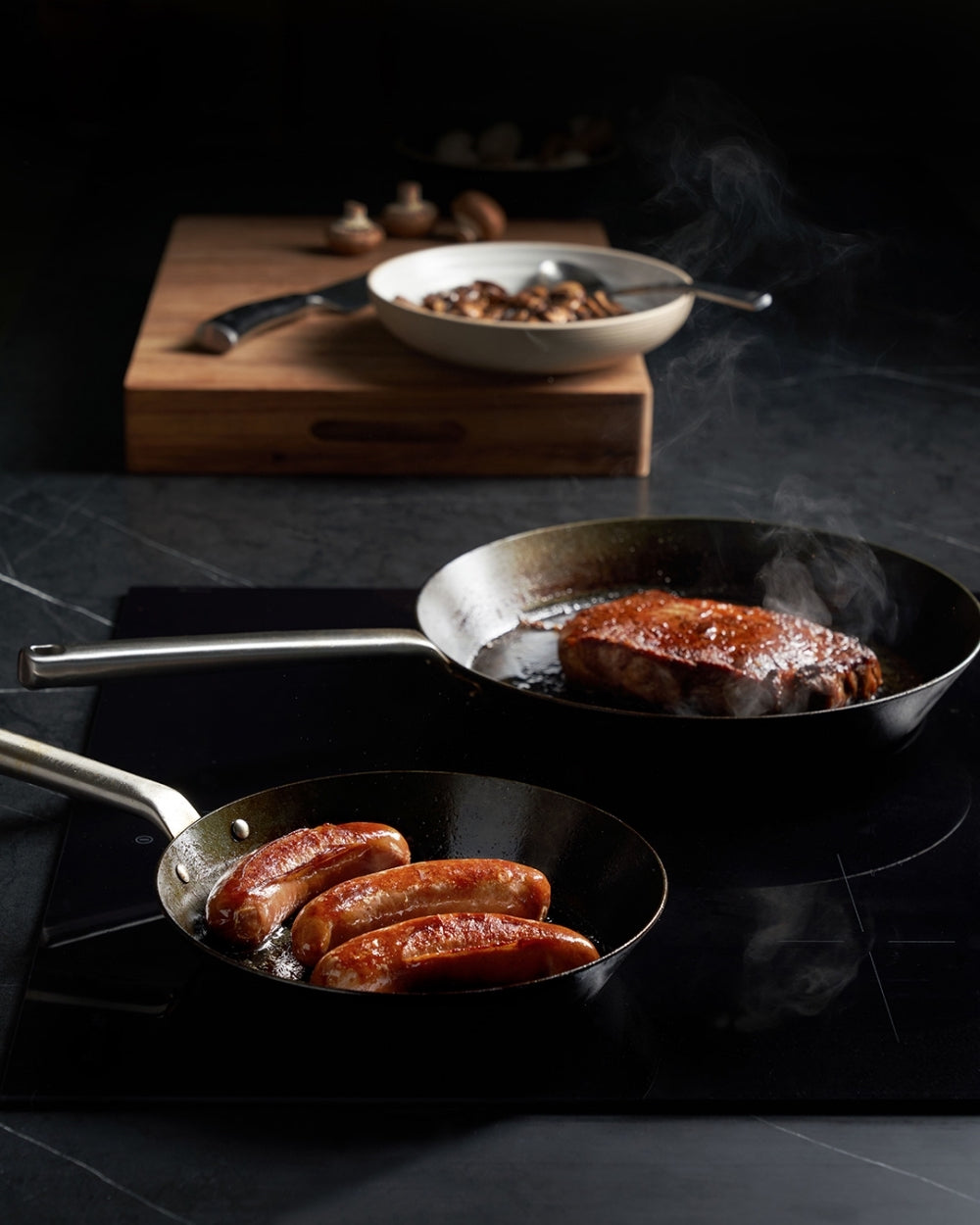
- Searing
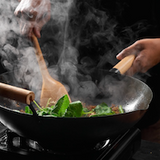
- Stir-frying
- Pan-frying
- Shallow frying
- Deep-frying (wok only)
- Sautéing
- Oven-roasting
Ease of Cooking and Maintenance
- COOKING: Carbon steel is easier to manoeuvre thanks to its much lighter weight. It’s more user-friendly for cooking jobs requiring frequent pan movement, such as stir-frying. Cast iron’s weight can be a challenge but offers unbeatable heat retention for dishes needing steady heat.
- MAINTENANCE: Both materials require seasoning to maintain their naturally non-stick properties and prevent rust. Cast iron needs slightly more attention to prevent rusting and maintain patina while carbon steel, although also needing regular care, is slightly more forgiving.
- DURABILITY: Both materials are highly durable and with proper care they can each last a lifetime and beyond.
CAST IRON V CARBON STEEL
THE SUMMARY
Choosing between cast iron and carbon steel depends on how and what you cook and your preferences. For heat retention and if you don’t mind the heft, cast iron is a good choice. If you value the lighter weight, quick heating, incredible responsiveness to temperature change and overall versatility, carbon steel is the way to go. Both require a bit of maintenance, but each will serve you well for years.
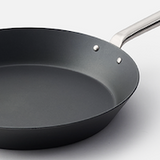
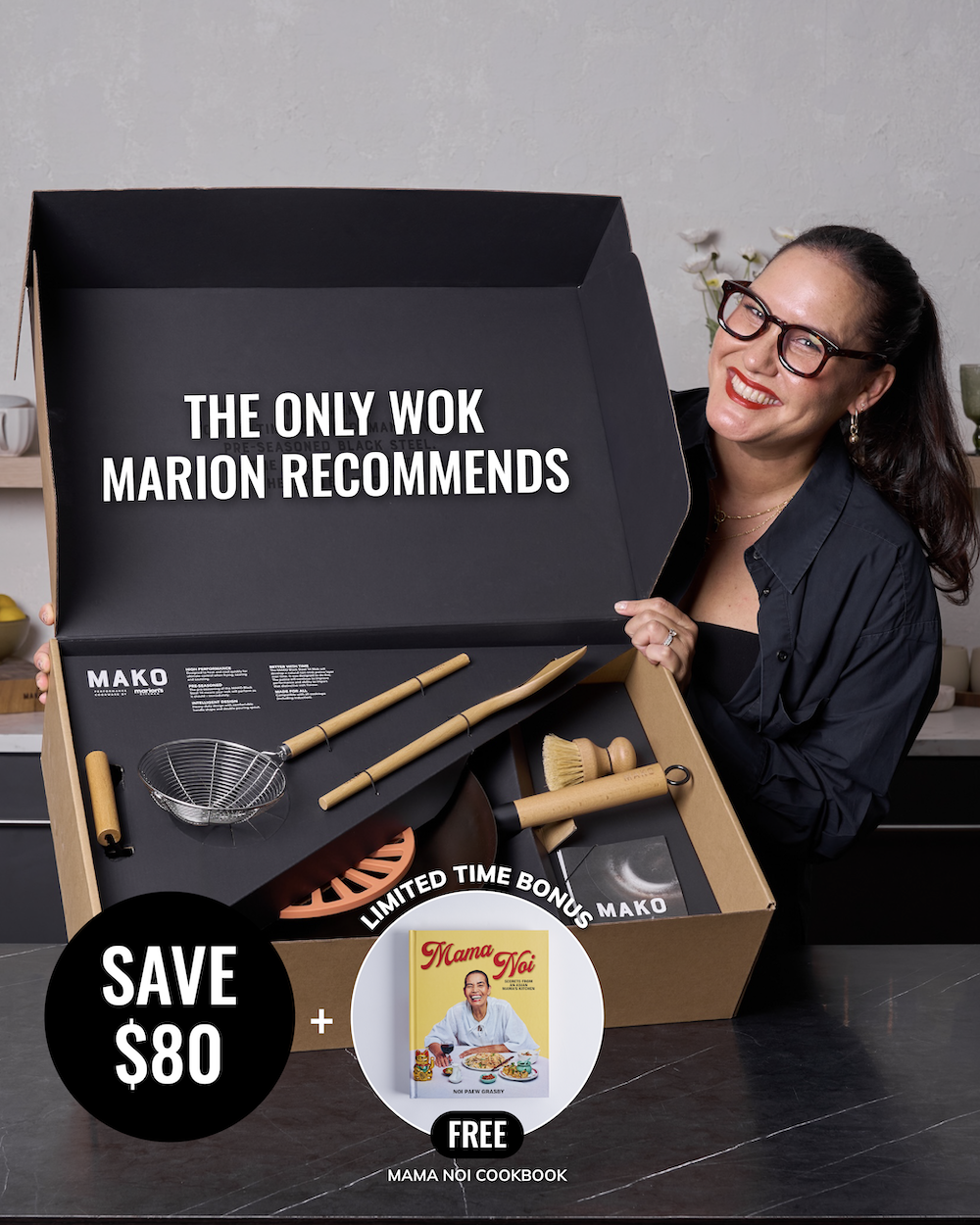
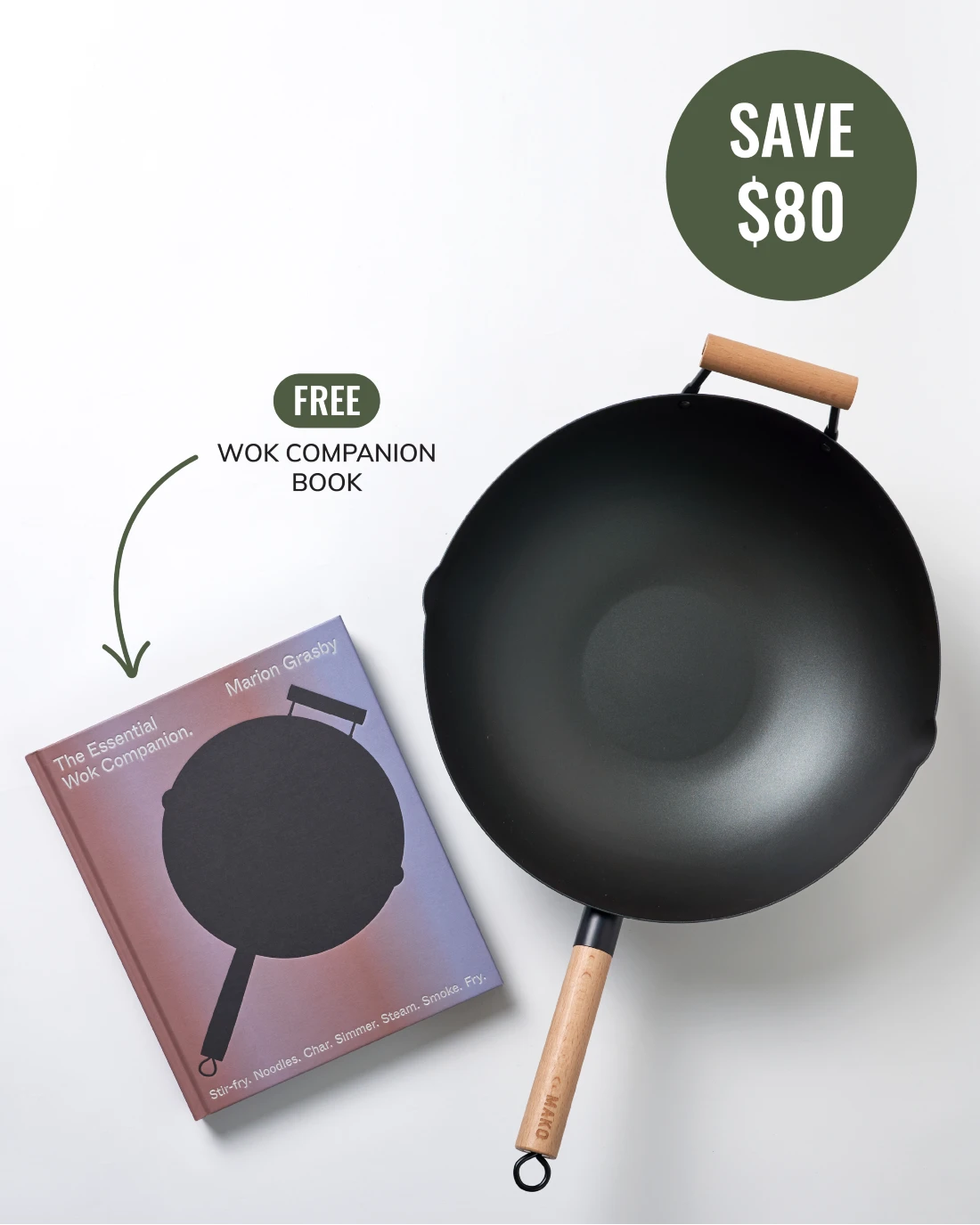
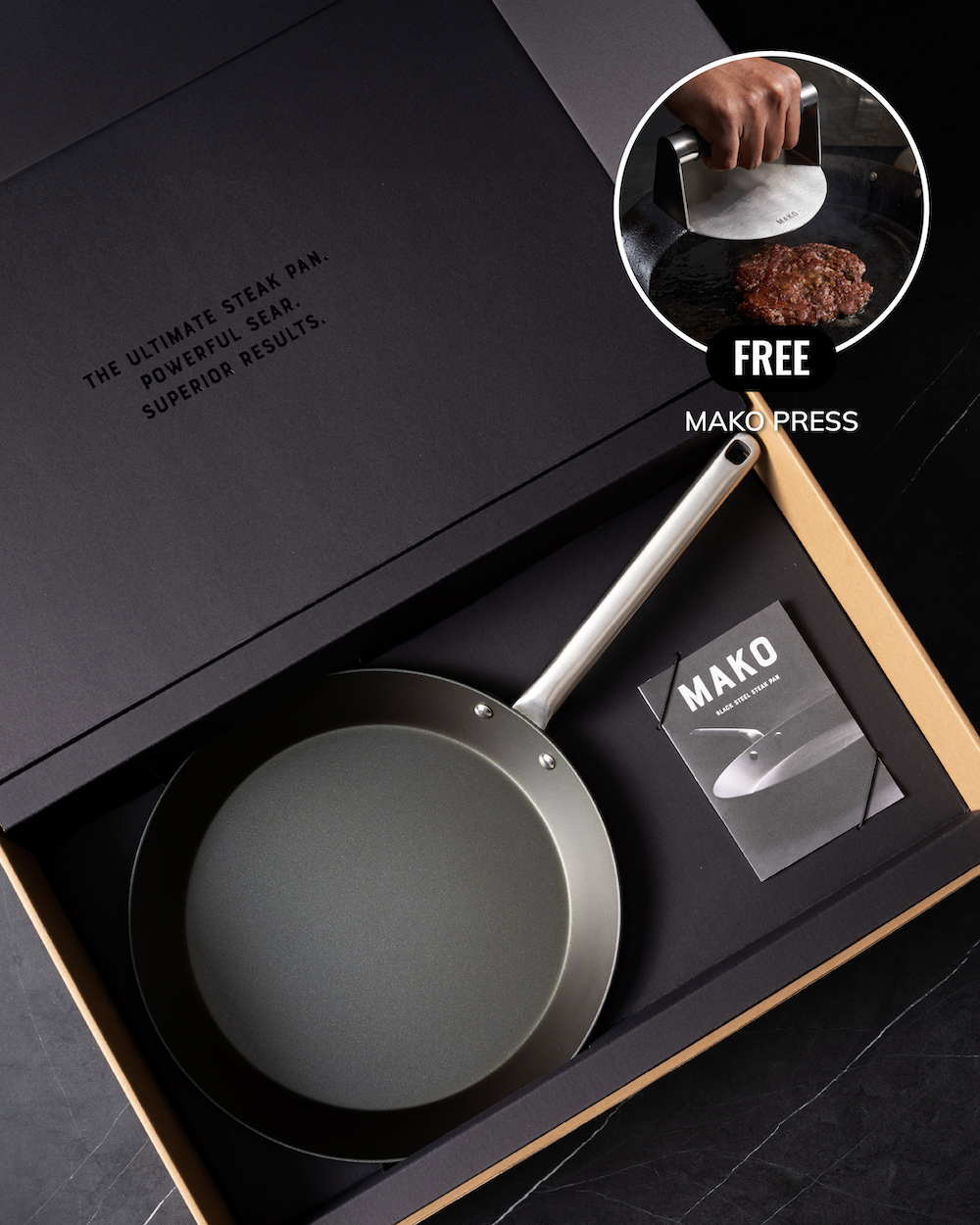
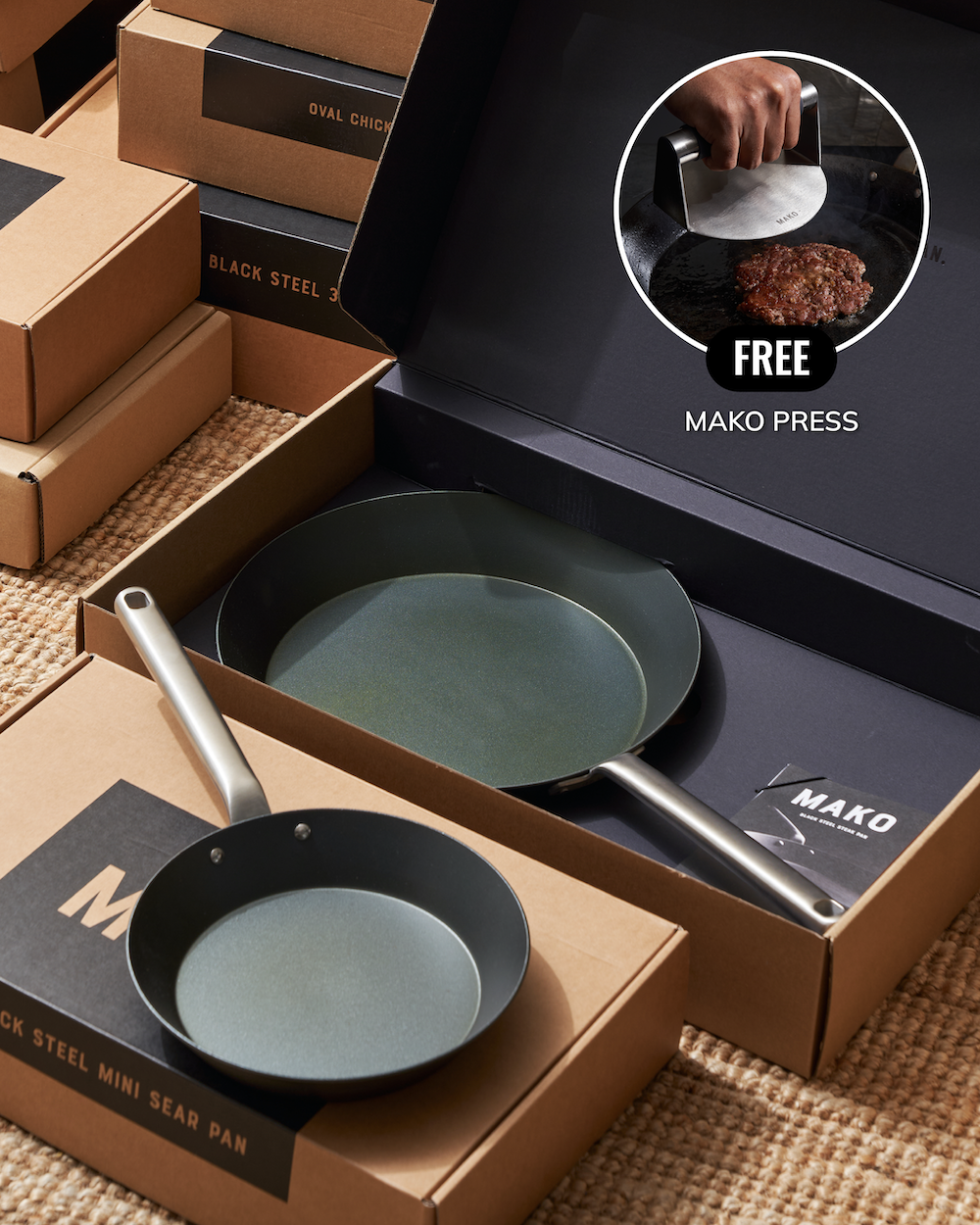
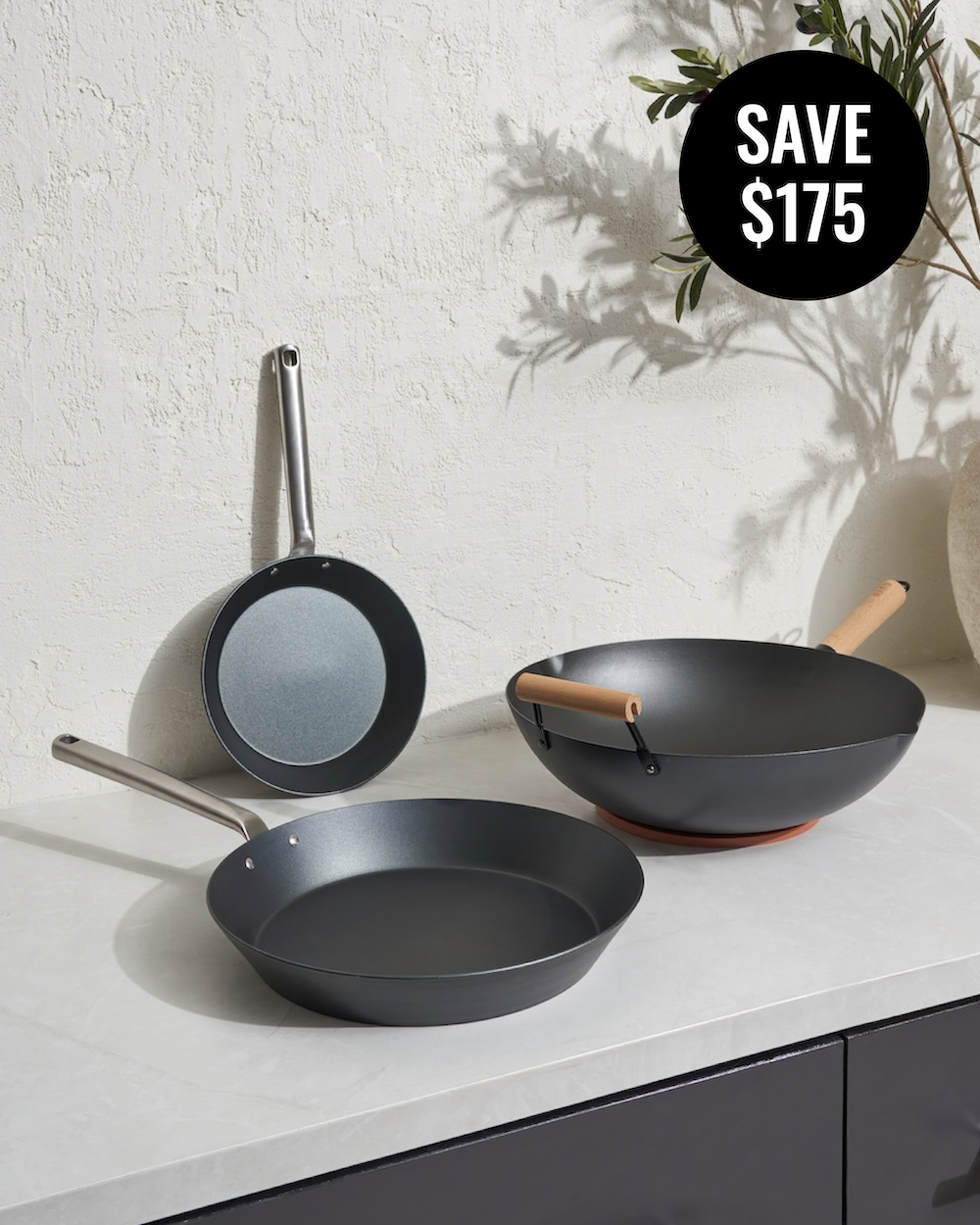
Pre-seasoned carbon steel
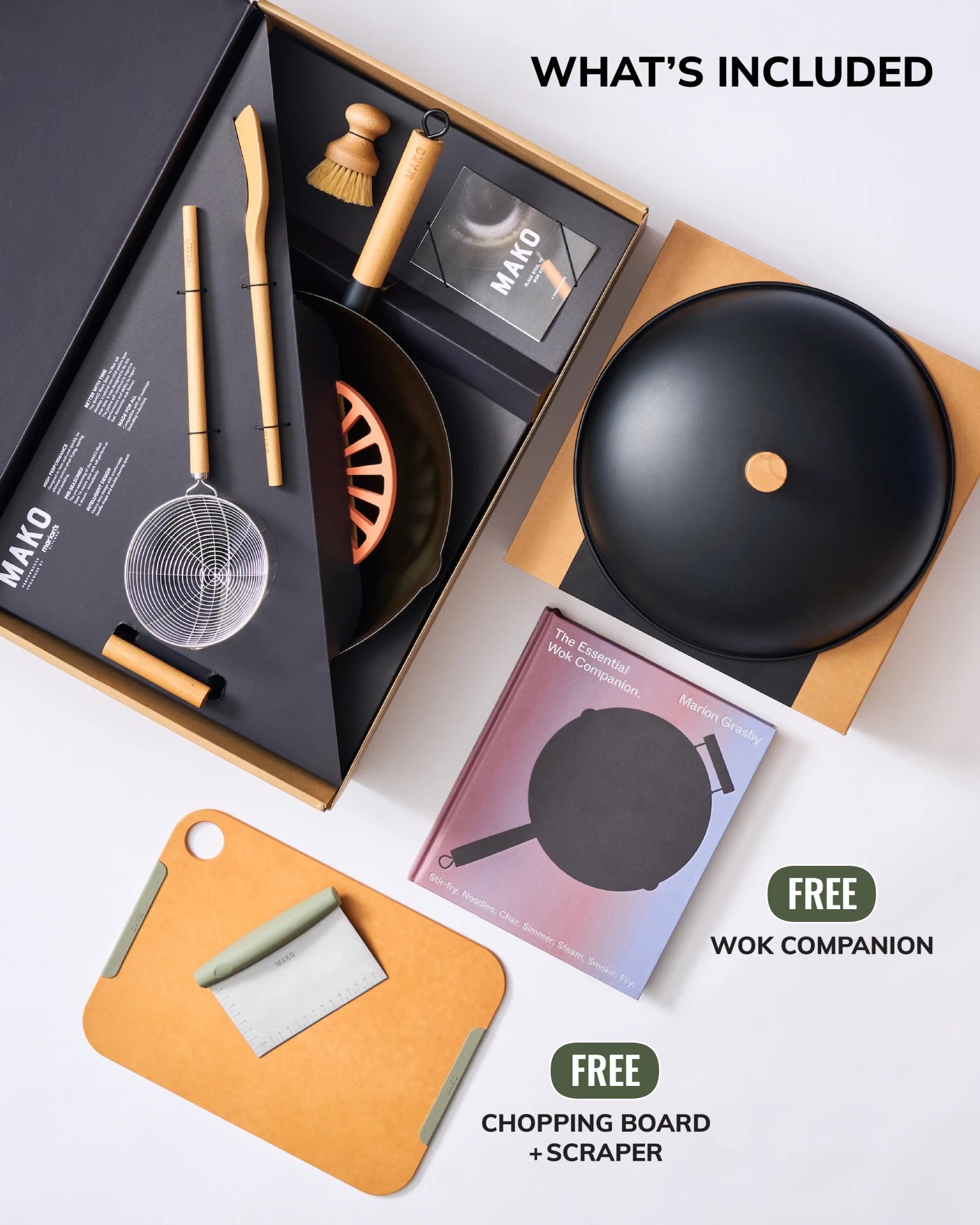
MAKO Black Steel

MORE READING
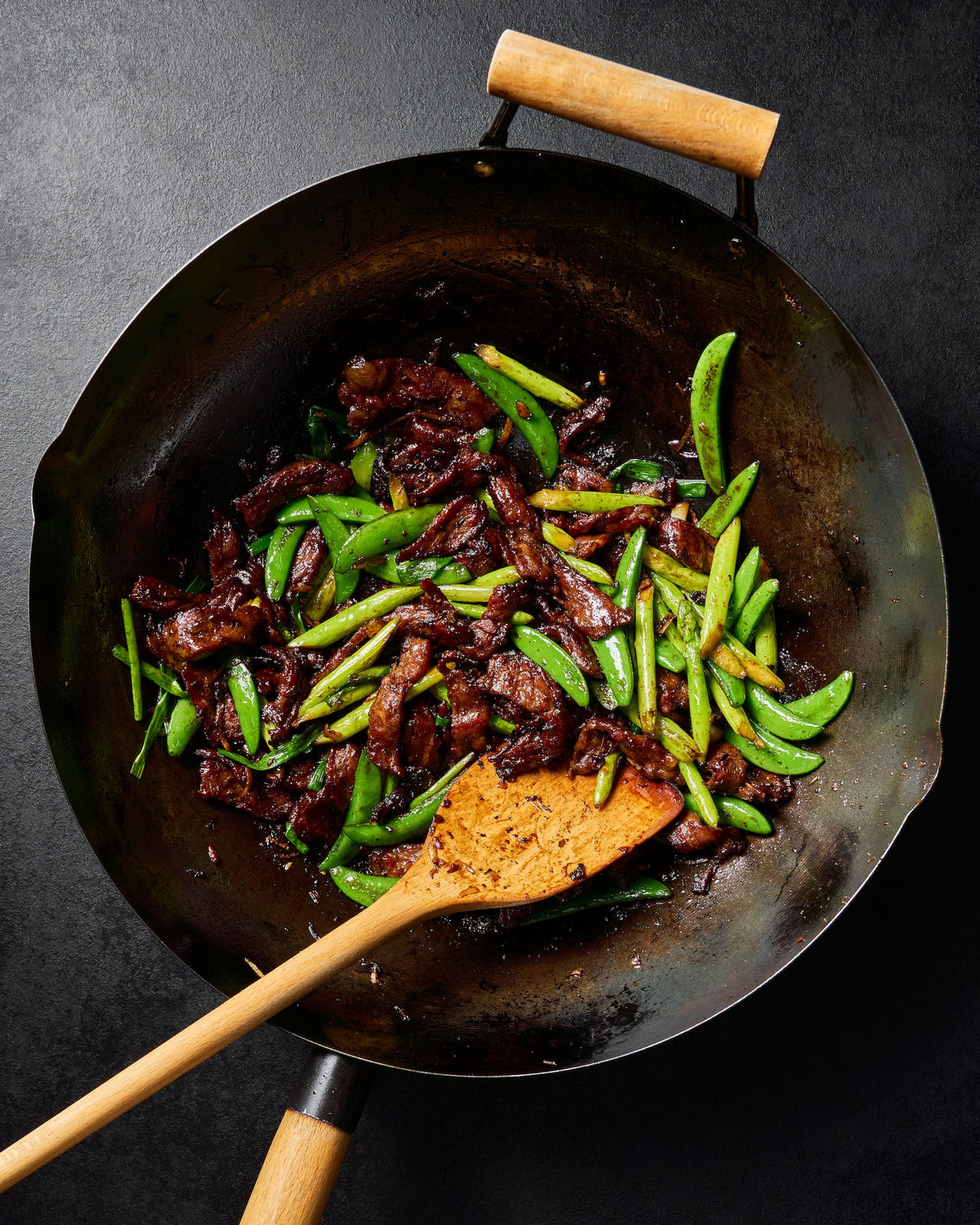
Beef, Asparagus & Snow Pea Stir-Fry
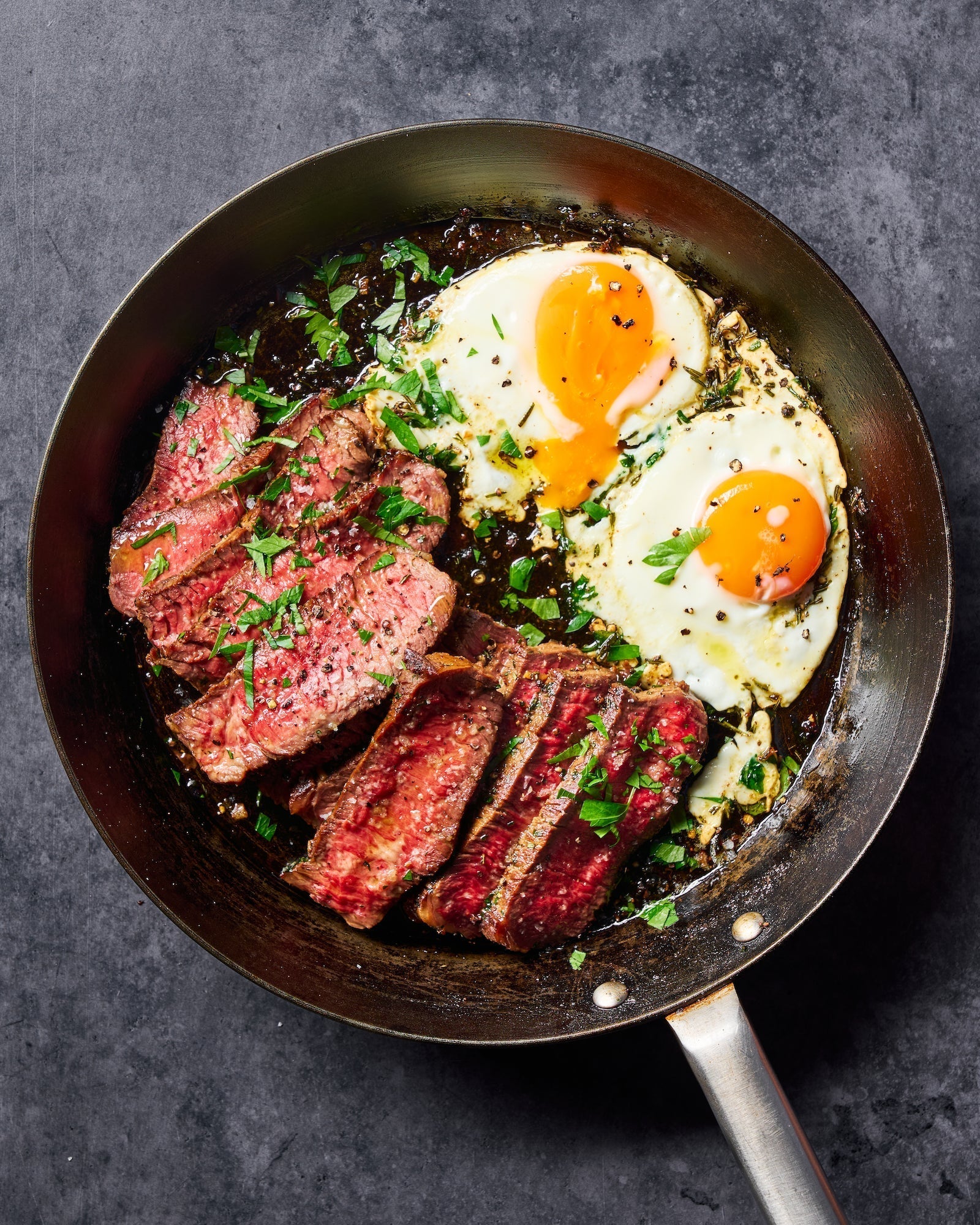
Herb Butter Steak and Eggs