
How You Cut Your Beef Changes Everything

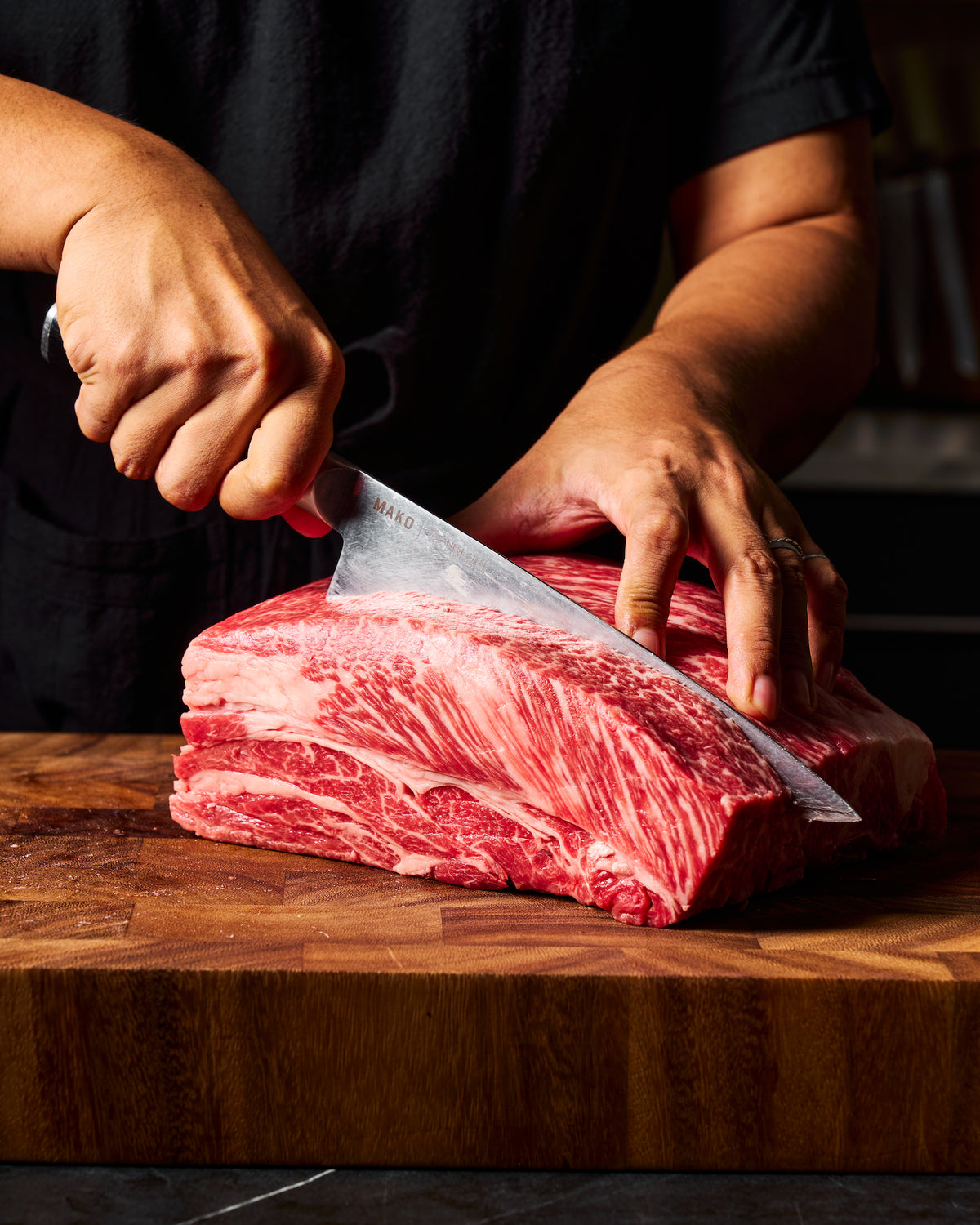
Raw beef cuts arranged on a wooden cutting board next to MAKO chef knife

How You Cut Your Beef Changes Everything

The cut of beef you choose matters, but how you prepare it can make just as much difference. Cutting beef into the right shape helps it cook evenly, develop better colour and stay tender. It also determines how well the meat absorbs marinades, sauces and seasoning.

A close-up of a person's hands slicing raw red meat with a MAKO chef knife

Ingredients

Whether you’re searing a steak, simmering a curry or making a quick stir-fry, here’s how to cut your beef for the best result.

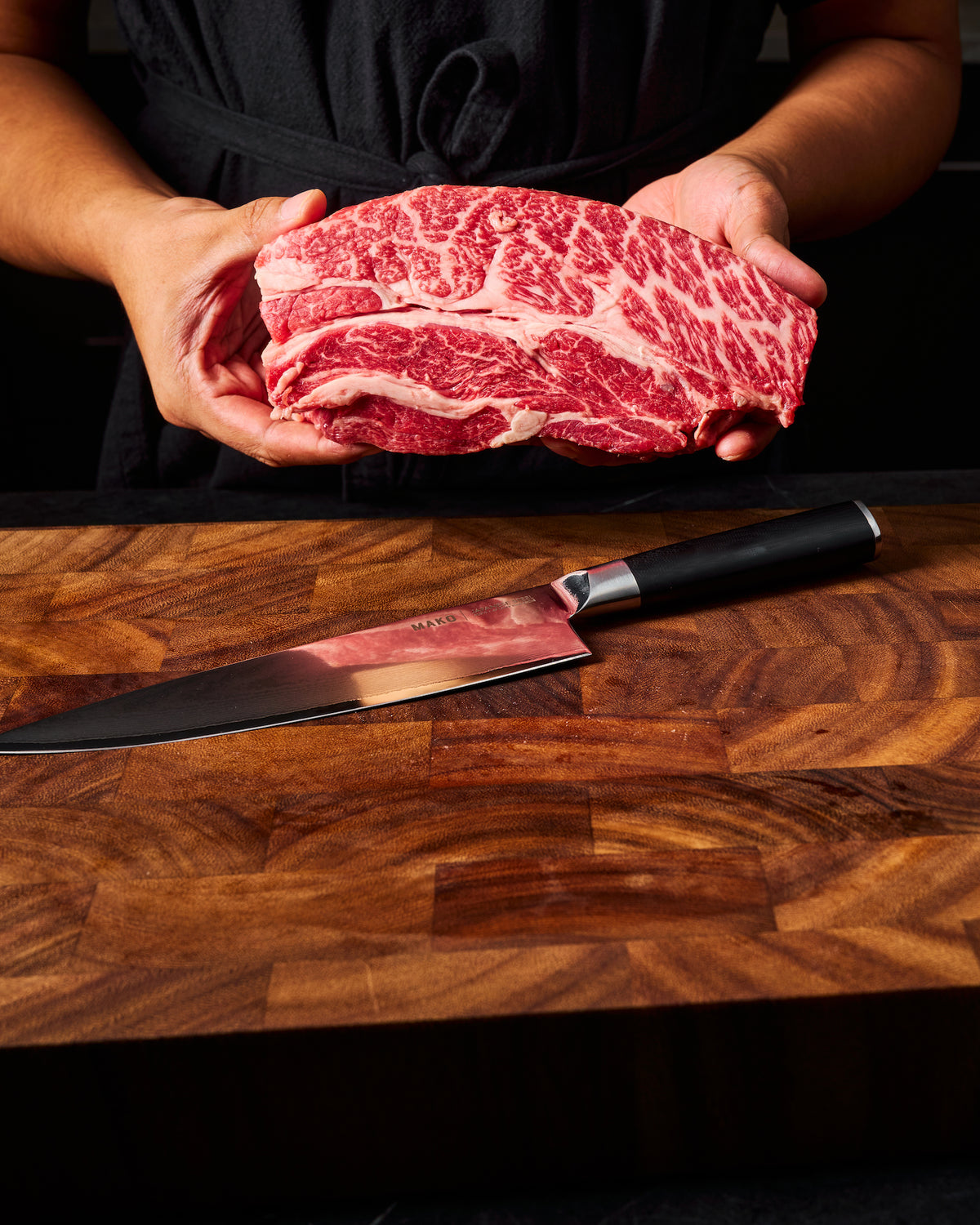
Whole-Steak

METHOD

Whole Steak

Best for: Grilling, pan-searing and roasting
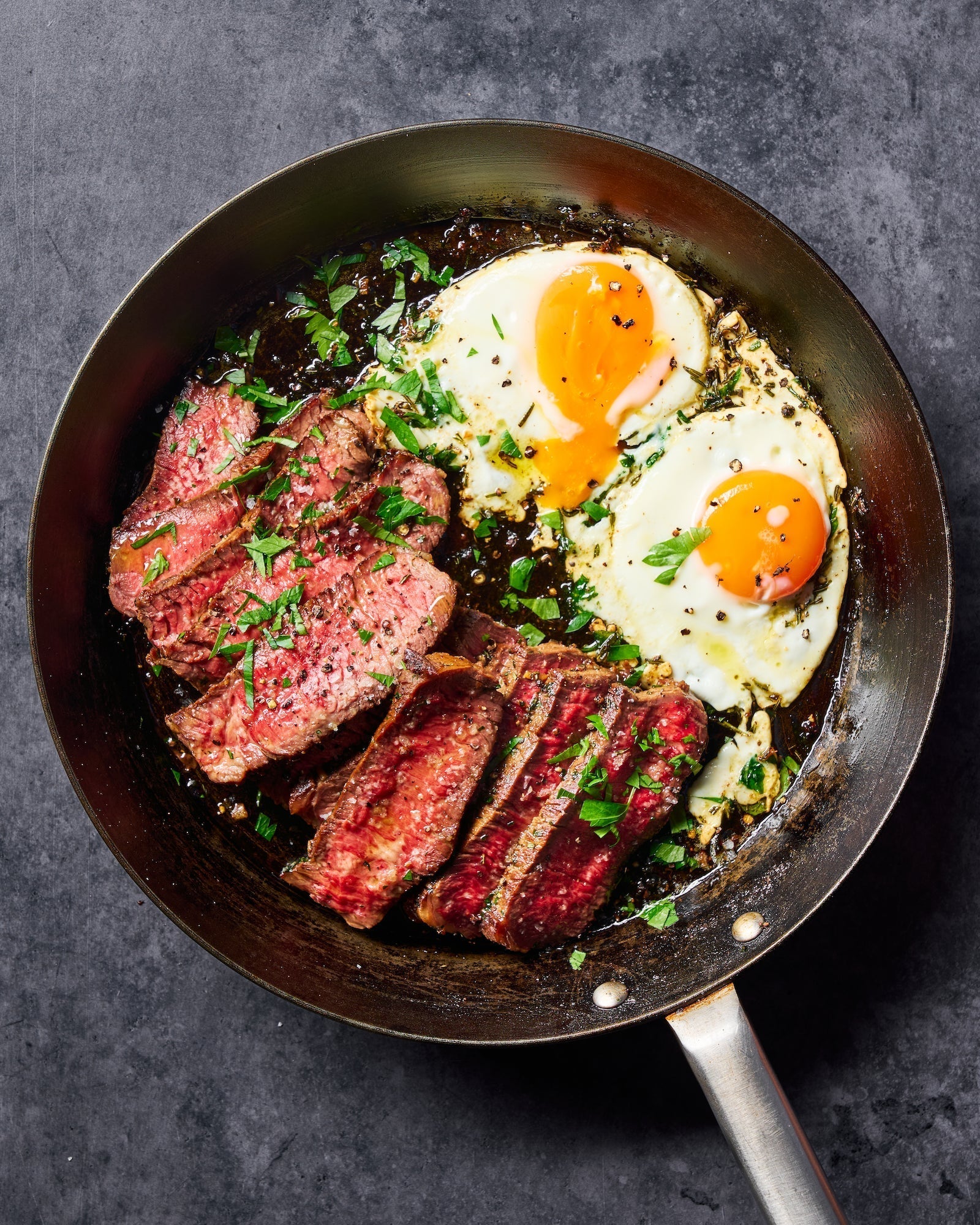
Try it in: Grilled steak, steak and eggs or roast beef

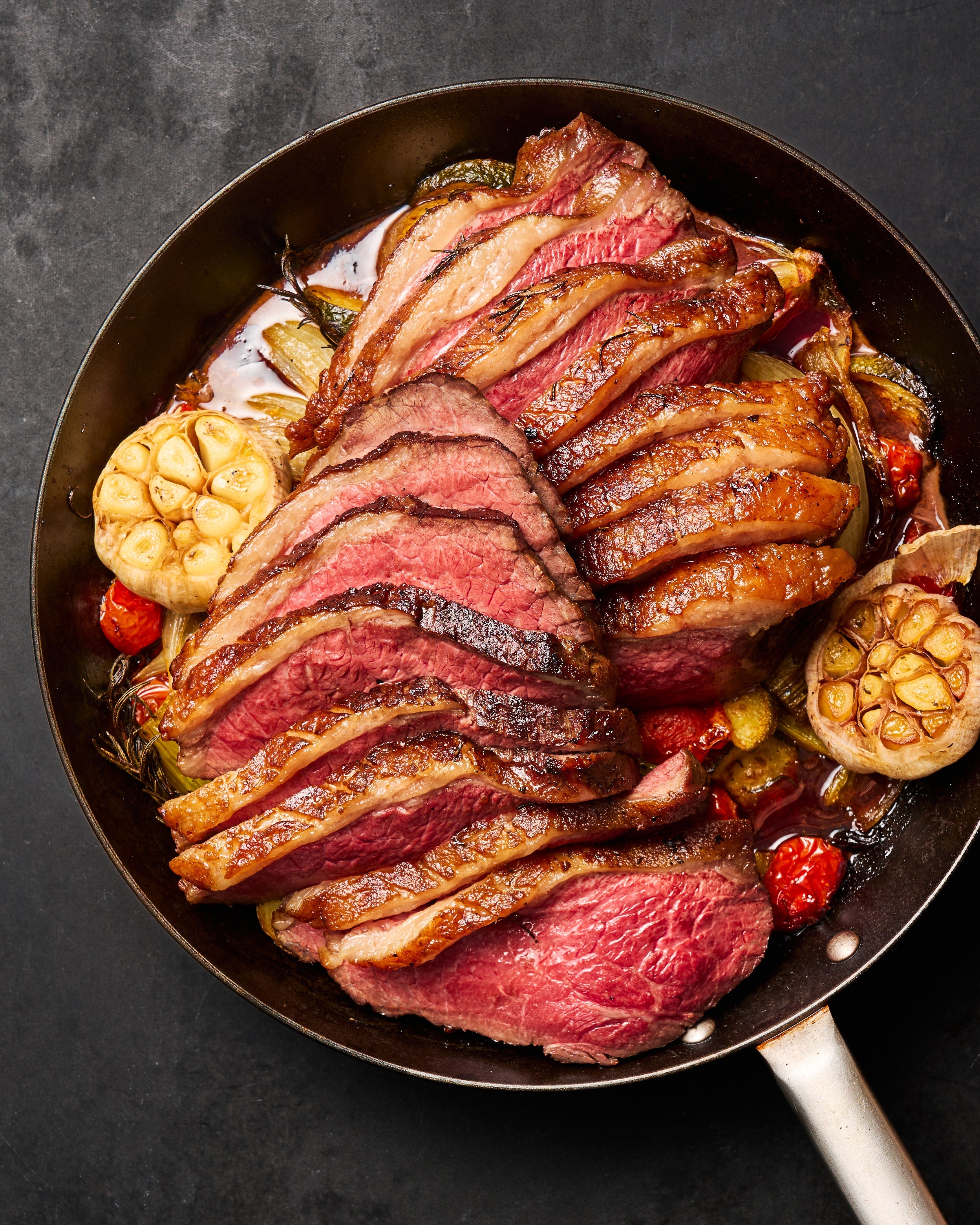
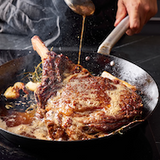
Leaving beef whole allows the outside to develop a deep, caramelised crust while the centre stays juicy and tender. Well-marbled cuts such as ribeye and sirloin are ideal for grilling or pan-searing, while tenderloin works beautifully when you want something especially tender.

For the best colour, pat the beef dry before cooking and give it enough room in the pan. After cooking, always allow the meat to rest before slicing so the juices have time to redistribute.

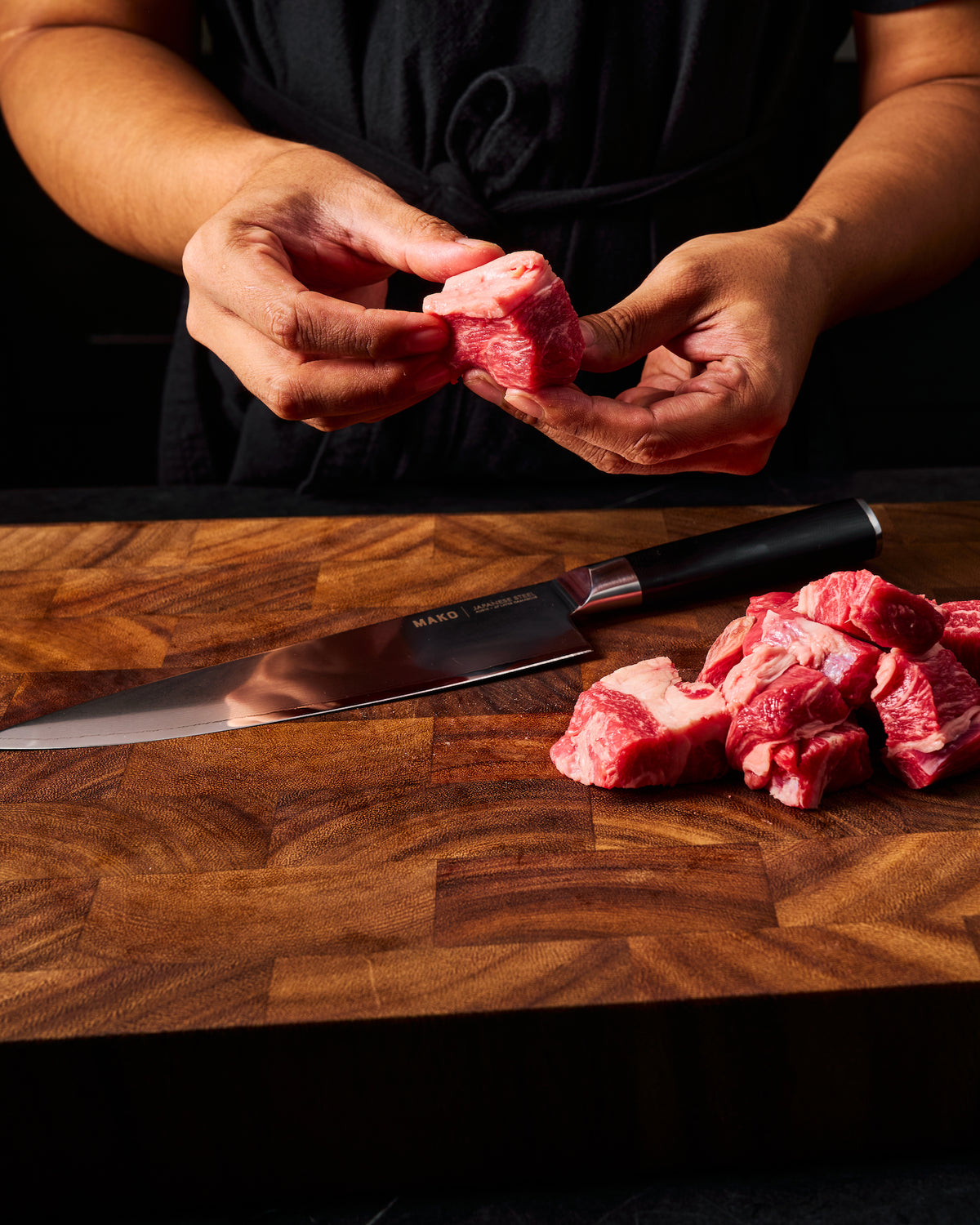
Beef Cubes

Beef Cubes

Best for: Slow-cooking, stews, curries and skewers
Try it in: Beef stew, rendang, curry, kebabs or beef bourguignon

Evenly sized cubes cook at the same rate and provide plenty of surface area for browning and soaking up flavourful sauces.

Tougher cuts such as chuck and brisket are excellent for slow-cooked dishes. These cuts contain connective tissue that gradually breaks down during cooking, giving you rich, beautifully tender beef.

Try to cut the cubes into a consistent size and avoid making them too small. Larger pieces are less likely to dry out during a long cook.

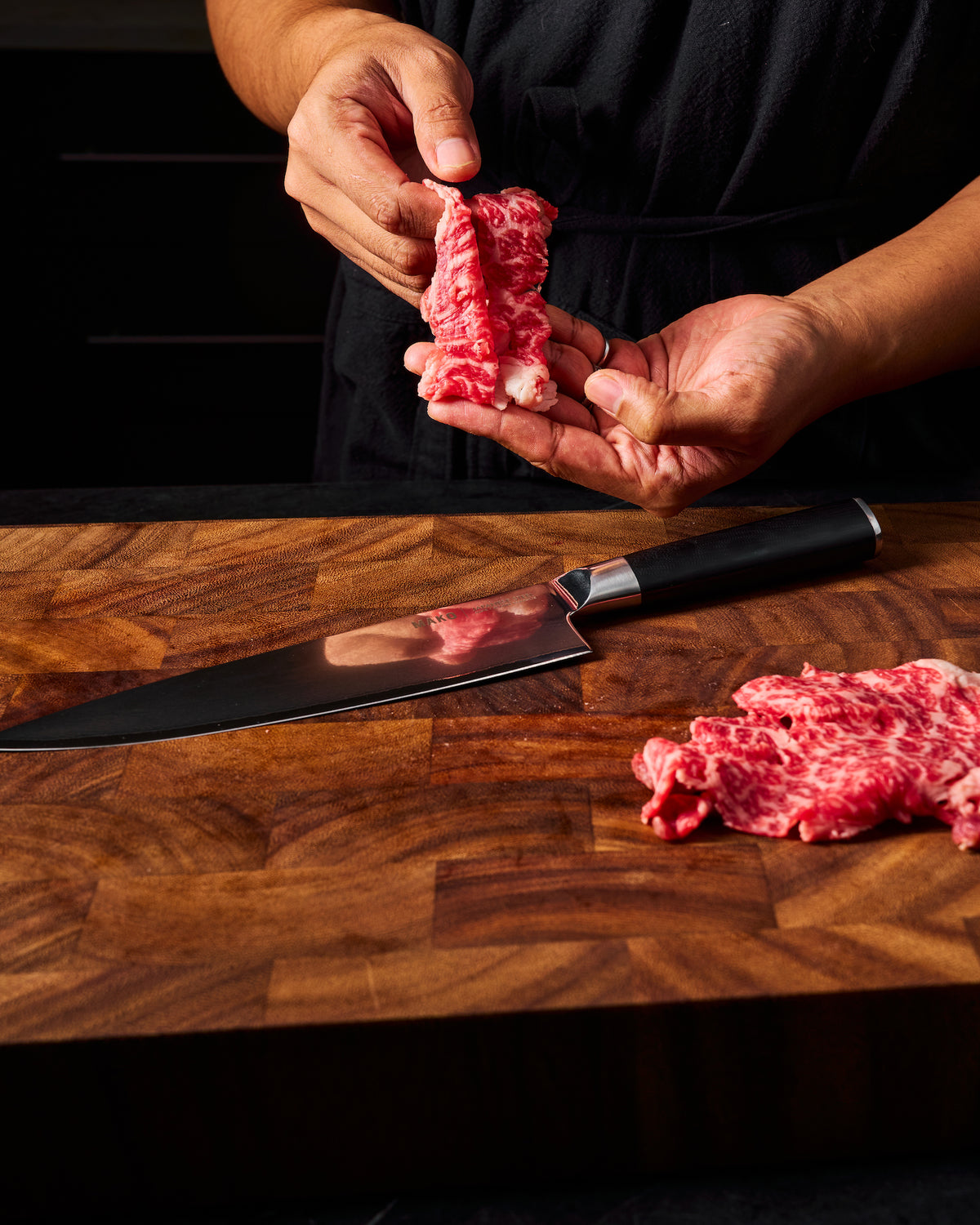
Beef Strips

Beef Strips

Best for: Fast, high-heat cooking
Try it in: Stir-fries, fajitas, beef and broccoli or pepper steak

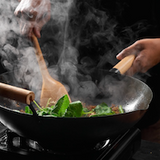
Thin strips cook quickly, develop plenty of colour and hold onto bold sauces beautifully. They’re ideal for recipes where the beef only spends a few minutes in a very hot pan or wok.

The most important rule is to cut against the grain. Look for the visible lines running through the meat, then slice across them rather than in the same direction. This shortens the muscle fibres, making each bite noticeably more tender.

Keep the strips similar in thickness and cook them in small batches. Overcrowding the pan lowers the temperature, causing the beef to steam instead of sear.

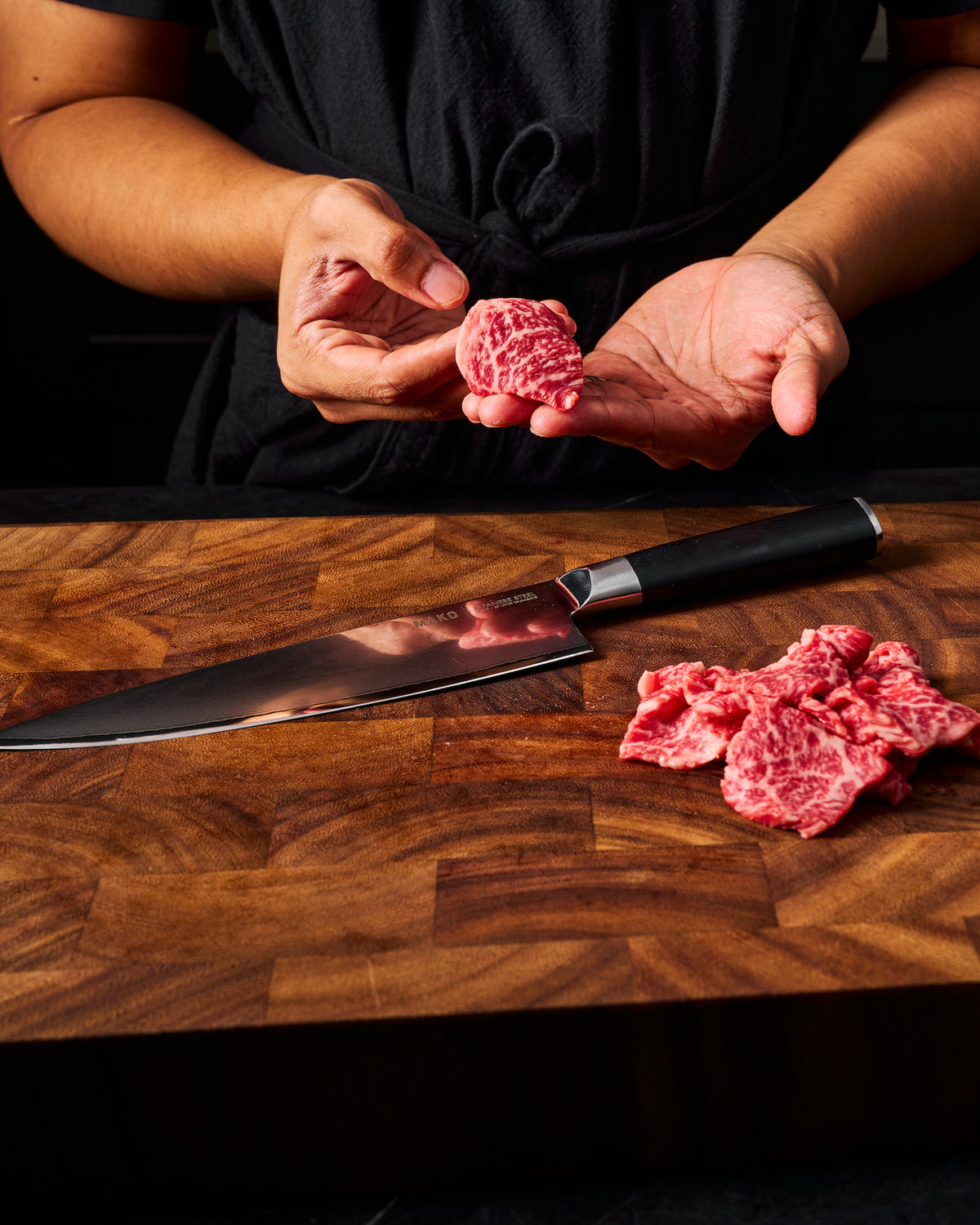
Thin Beef Slices

Thin Beef Slices

Best for: Quick cooking, hot broths and tabletop grilling
Try it in: Bulgogi, shabu-shabu, sukiyaki or pho

Very thin slices cook almost instantly, helping the beef remain soft and tender. They’re perfect for dishes where the meat is quickly grilled, dropped into simmering broth or cooked at the table.

For easier slicing, place the beef in the freezer for around 30 minutes first. You don’t want it completely frozen just firm enough to hold its shape under the knife. Use a sharp knife and slice against the grain for the most tender result.

A close-up of a person's hands slicing raw meat with a MAKO chef knife

How to Find the Grain

The grain refers to the direction in which the muscle fibres run through the beef. These fibres look like fine lines across the surface of the meat.

Before cutting, take a moment to identify their direction. Position your knife across those lines and slice through them. Cutting against the grain creates shorter fibres that are easier to chew, which is especially important when preparing beef strips or thin slices.